Puffy face? Stubborn belly? Afternoon slump? Scroll long enough on social media these days, and you’ll be told the culprit behind all of this (and more) is simple: cortisol.
On TikTok, phrases like “cortisol face” and “cortisol belly” have become shorthand for puffiness and weight gain, and physicians are seeing more patients ask for cortisol testing because of it.
But cortisol isn’t the enemy it’s made out to be – in fact, the hormone is essential to many of the body’s everyday functions. So why has it become the latest explanation for everything bad that our bodies are doing?
Dr. Luciana Martel-Duguech, an endocrinologist at The Ottawa Hospital and associate scientist at the Ottawa Hospital Research Institute, studies cortisol disorders and says there’s a big gap between what cortisol is and how it’s understood outside medicine.
The hormone you can’t live without
Made by the adrenal glands, Dr. Martel-Duguech notes that cortisol regulates many parts of the human body, including things like blood pressure, blood sugar, metabolism, and electrolytes such as sodium and potassium.
Of all the hormones, she emphasizes it’s the most critical for keeping us alive.
“If we don’t have any cortisol, we just crash,” she says.
It also follows a daily rhythm.
“The highest peak is one hour before we get up,” Dr. Martel-Duguech says, adding that it gives the body energy to start the day. Levels rise again at midday, then fall to almost nothing by bedtime.
Cortisol also surges with stress, like during a workout or a big presentation, raising blood sugar and heart rate so you can cope. This is where the common misconception starts.
Because cortisol is known as “the stress hormone,” Dr. Martel-Duguech says people assume high levels are causing their stress. “Actually, it’s the opposite,” she explains. Cortisol is there to help us cope with existing stress by sending extra fuel to your body and brain and conserving your energy.
But there’s a big difference between blaming cortisol for everyday complaints and recognizing when something more serious might be going on.
What truly high cortisol looks like
Cushing’s syndrome is a rare and often difficult-to-diagnose hormonal disorder that can cause some of the physical changes people are attributing to cortisol online.
In Cushing’s, a tumour – most often in the pituitary gland, sometimes in the adrenal glands – drives cortisol to at least three times normal levels, around the clock, Dr. Martel-Duguech explains.
She describes patients who were lean all their lives suddenly gaining about 50 pounds in six months to a year without changing anything. Muscles waste away, hair thins while new hair grows in odd places, and the onset of diabetes, high blood pressure, depression and even psychosis can follow.
“It’s actually an emergency,” she adds.
Cushing’s is also rare, with fewer than five new cases per million people a year worldwide, mostly impacting women. But because many of its symptoms overlap with other conditions, it can be hard to spot.
Weight gain, fatigue and high blood pressure, for example, can also define metabolic syndrome, a group of conditions that increase the risk of heart disease, type 2 diabetes and stroke.
Dr. Martel-Duguech says metabolic syndrome is one of the most common health conditions in adults; by her estimate, at least seven in 10 have one or more components. In Canada, 68 per cent of adults are classified as overweight or living with obesity.
“It’s a very common disease and another very rare disease with overlapping signs and symptoms,” she describes.
For women, menopause adds another confusing layer with similar symptoms.
Estrogen protects our heart, brain, bones and muscles, Dr. Martel-Duguech explains. But as it declines in a woman’s midlife, metabolism slows, and weight gain becomes more likely – a reality for many of the more than 10 million women in Canada over 40.
Cushing’s, by contrast, she says, most often appears during the reproductive years of 25–45, and there are specific things you can watch for.
Questions to ask yourself
Dr. Martel-Duguech points to certain signs that could indicate Cushing’s:
- Rapid weight gain after a lifetime of being lean
- High blood pressure or diabetes that appears out of nowhere
- A broken bone from a minor fall, or new blood clots
- New hair loss or new facial hair
- Significant weakness, e.g. needing to grab a chair to stand up
- Weight concentrated in the belly, face and neck, with very thin arms and legs
- Losing your period in your 20s or 30s after having regular cycles
Yet even with these red flags, “the diagnosis of Cushing is extremely difficult,” she stresses.
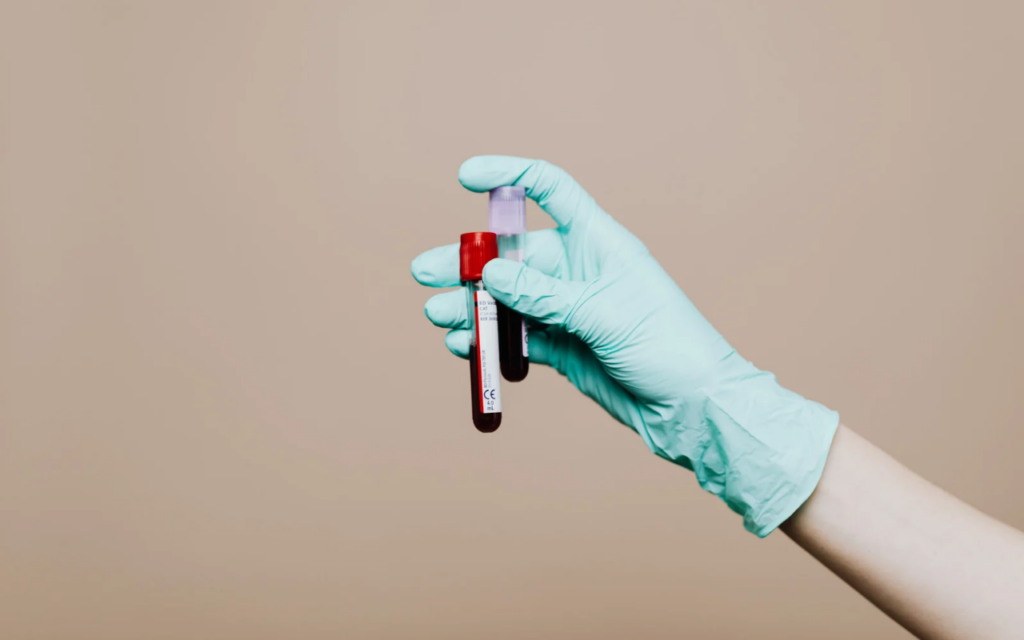
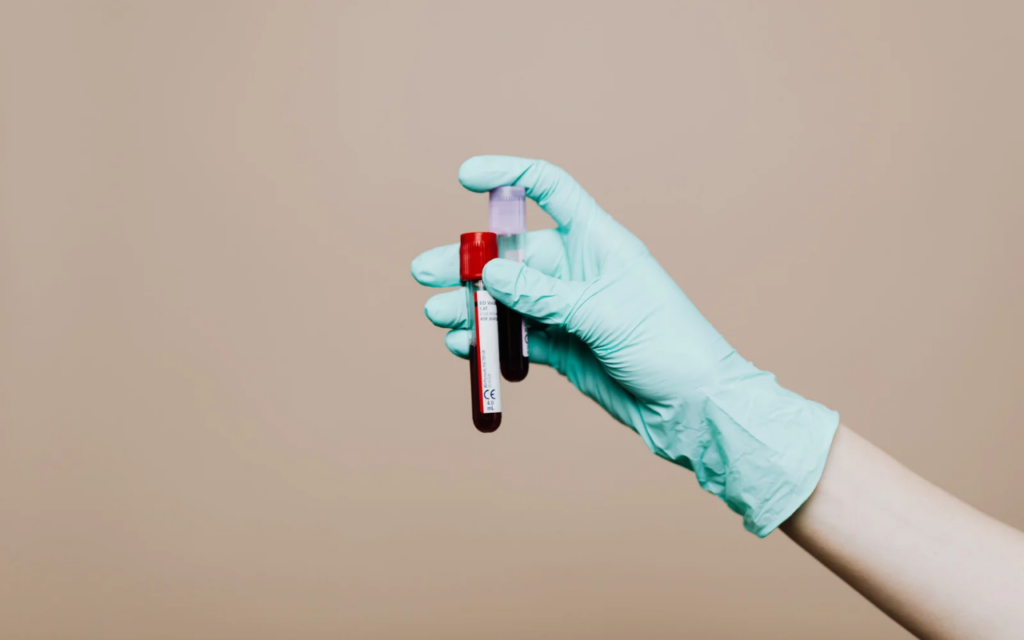
Unlike thyroid problems, which a blood test can reveal, our cortisol levels vary so much day to day that diagnosis takes at least three types of tests, repeated samples, and expert interpretation. And still, Dr. Martel-Duguech notes, “the tests aren’t perfect.”
Her research aims to develop clearer tests that could speed up diagnosis, but in the meantime, the onus is often on patients.
Since the disease is so rare, Dr. Martel-Duguech finds that family doctors often don’t suspect Cushing’s, and some cases can go undetected for many years.
If you’re experiencing concerning symptoms, it’s worth discussing them with your doctor and asking whether further investigation is warranted. For example, the dexamethasone suppression test – which checks how your body regulates cortisol – can be ordered by a family doctor.
“We need to make more effort to communicate this from the medical community,” she adds, recognizing that the burden shouldn’t always fall on patients. Especially now, when social media is increasingly filling the gaps with its own explanations for what our symptoms might mean.


Emma Caplan-Fisher