
For many entrepreneurs, owning a business is more than just a source of income. It’s years of work, relationships, decisions and risk – and often a big part of their identity. So deciding what happens to the business when they’re ready to step away can be difficult, both financially and emotionally.
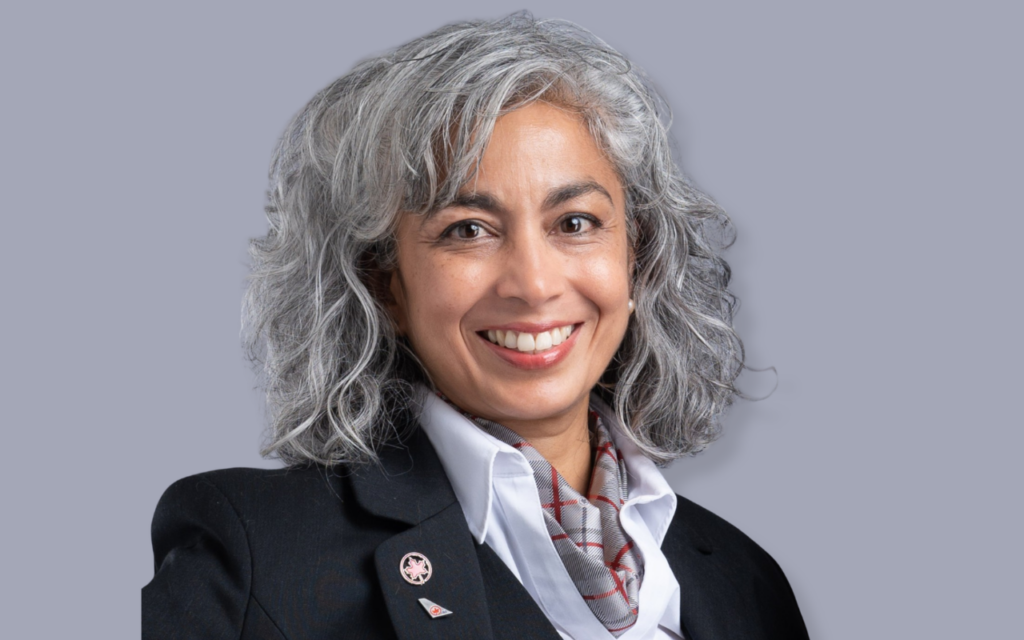
Marcelle McKarris, Vice-President, Commercial Banking at RBC, has spent over 30 years with the bank, working across a range of roles and industries. Today, she and her team work closely with business owners in retail and professional services, helping them move their businesses forward by navigating everything from day-to-day banking to growth, expansion, and longer-term planning.
We sat down with McKarris to learn more about what succession planning actually looks like, when entrepreneurs should start thinking about it, and why waiting until retirement is on the horizon can leave business owners with fewer options than they might think.
THT: When we talk about succession planning, what are we actually talking about, and what are some typical options you see entrepreneurs explore?
Marcelle McKarris: Succession planning means different things to different people. But in the end, if you really want to break it down and keep it simple, it’s just planning ahead for your business.
There are a range of ways you can do that, but they each have their own implications.
If you’re selling to an external buyer, for example, you want to make sure the business is in the right place and positioned well before you go to market. If you’re passing it along to family, there can be a whole other set of conversations around who takes over, how you make sure everyone feels good about it and how you preserve what you’ve built. A merger can be another option, where you’re not necessarily walking away completely, but you’re bringing someone else in and creating an opportunity for the business to keep growing.
I think the most important thing for a lot of clients is really helping them understand that it doesn’t need to be a complicated process if you have the right partners at your side.
THT: How can entrepreneurs tell when they’re actually ready to begin succession planning? Are there certain stages or milestones that indicate it’s time to start thinking about it?
Marcelle McKarris: I wish there were black-and-white answers, but unfortunately, it depends on the business and its stage.
The biggest piece of advice I can give is to never leave it until you’re thinking about retirement or moving on from the business. Start planning as early as possible. You don’t need to have all the answers figured out right away, but thinking about whether you might want to sell one day or what your own financial future looks like is important because it leaves more doors open and gives you time to prepare.
Most recently we had a client who was going to sell their business within six months. The client didn’t engage with any experts and wasn’t aware of the tax implications of selling the business and taking the proceeds from the sale as personal income. They also weren’t sure how they were going to make the remaining proceeds work for them in retirement. Their commercial banker immediately referred them to a wealth advisor who gave them the right advice that allowed them to plan properly and mitigate their tax implications.
That’s why it’s so important to not only talk about day-to-day banking with the right experts, but also have the right advisor who brings in the right partners to ensure the larger financial picture is taken care of.
THT: Does the size of your business matter? Do smaller business owners need to think about succession planning too?
Marcelle McKarris: Absolutely, and I think the smaller you are, sometimes the more important it is. We have investment advisors who work with clients across a wide range of stages and sizes.
People shouldn’t think, “Oh, I don’t have a lot of investments, so why am I going to see someone?” Everyone, no matter the size of your business, needs the full spectrum of advice so that you’re not stuck at the last minute making a decision that you may regret.
THT: What have you noticed in entrepreneurs who handle succession planning really well? Is there something that sets them apart?
Marcelle McKarris: I would say the entrepreneurs and business owners who handle it well are people who really understand that it’s inevitable and start planning.
At some point, business will change. It’s either going to be retirement for you, or you’re moving on to something else. Those individuals also have a strategy and a clear vision they’re working towards, and they remain open to refining that vision if things change.
That’s another key point. You should never think you’re locked into one plan. Life evolves, and it’s important to understand what your options are so that when it matters most, you’re ready. The most successful entrepreneurs also have a trusted team helping them along the way: their relationship manager, investment advisor, accountant, and lawyer.
THT: Succession planning isn’t just about the financial side – it’s often an emotional decision, too. What advice would you give entrepreneurs who are struggling with the idea of stepping away from something they’ve built?
Marcelle McKarris: The emotion is there no matter what because we’re talking about something they’ve built that they’re extremely proud of. But having confidence in the plan you’ve set out for your business can provide a lot of peace of mind.
The situations that tend to be most emotionally difficult are the ones that weren’t planned for. If a business owner suddenly has to sell because of a health issue, a partnership falling apart or some other unexpected situation, everything gets compressed. There’s less time to think through the options properly, and that can make an already difficult decision feel even more overwhelming.
THT: If an entrepreneur knows they need to start planning but has no idea where to begin, what are the first steps you recommend?
Marcelle McKarris: That’s a great question, and I would hope that every business owner first has a banker. I think that’s probably a given. Talk to your banker if they haven’t talked to you. That’s number one.
Also, most entrepreneurs, when they get to the commercial side of things, are pretty large, so they would usually have been surrounded by expertise like accountants and lawyers. But that doesn’t necessarily mean they’re talking about succession planning. So it’s important to, again, make sure that you have an investment advisor who is giving you the advice that meets your needs and is bringing the right partners in.
If you’re with an investment advisor who’s only focused on one aspect of it – let’s say your retirement funds or your RRSP, for example – that’s not succession planning.
Succession planning is about looking at the business from all angles and making sure everything is taken care of – from your personal financial situation to what happens to the business once you step away.
At RBC, we also know that no single advisor can cover every dimension of this process alone. A strong banking partner will help you understand your business’s financial position and connect you with the right specialists – which might include a wealth advisor to help you plan for life after the business, an M&A expert to explore potential buyers or merger opportunities, or a tax specialist to help structure the transition in the most advantageous way.
The more your advisors know about your business, its growth trajectory, and your personal ambitions, the more they can anticipate your needs and bring opportunities to you proactively.
THT: What is one piece of advice you wish every entrepreneur heard five years before they planned to step away from their business?
Marcelle McKarris: You’re going to hear it again. It sounds simple, but it’s starting as early as possible and making sure that you have the right experts around you and are getting the right advice that makes sense for you.
Don’t wait for retirement or to feel that there is an imminent situation happening that you need to act on. You may still plan, and something changes. That’s fine. But by planning proactively, you’re already ahead when something urgent or unexpected comes up.
At RBC, we measure our success by your success. That’s why we work closely with you, leveraging our resources and expertise, and bringing you the people, ideas and solutions to help you and your business achieve your milestones and increase your success.
This article is intended as general information only and is not to be relied upon as constituting legal, financial or other professional advice. A professional advisor should be consulted regarding your specific situation. The information presented is believed to be factual and up-to-date but we do not guarantee its accuracy and it should not be regarded as a complete analysis of the subjects discussed. All expressions of opinion reflect the judgment of the authors as of the date of publication and are subject to change. No endorsement of any third parties or their advice, opinions, information, products or services is expressly given or implied by Royal Bank of Canada or any of its affiliates.