Getting older should come with a little more peace of mind, but for many women in Canada, that’s not the reality.
New research from the National Institute on Ageing (NIA) reveals that older women are more likely to face financial insecurity, loneliness and ageism compared to their male counterparts – three challenges that can make later life feel a lot more uncertain than it should.
The report surveyed more than 6,000 Canadians over the age of 50 and found that while women generally faced worse outcomes than men, the disparities were even greater for racialized women and those with lower incomes.
“Gender profoundly impacts the experience of ageing,” Talia Bronstein, Director of Policy at the National Institute on Ageing, said in a press release. “Older Canadian women, especially those with inadequate incomes and those who are racialized, face systemic barriers that demand targeted, cross-cutting and evidence-based policy responses.”
Financial insecurity is one of the clearest examples. Nearly one in four older women say they don’t have enough income to meet their needs – compared to fewer than one in five men. They’re also more likely to have less than $5,000 saved for retirement and more likely to struggle to afford everyday essentials. The NIA points to issues like the gender pay gap, pension gap and years spent in unpaid labour or caregiving roles as potential causes for these inequalities, leading women to save less in their younger years.
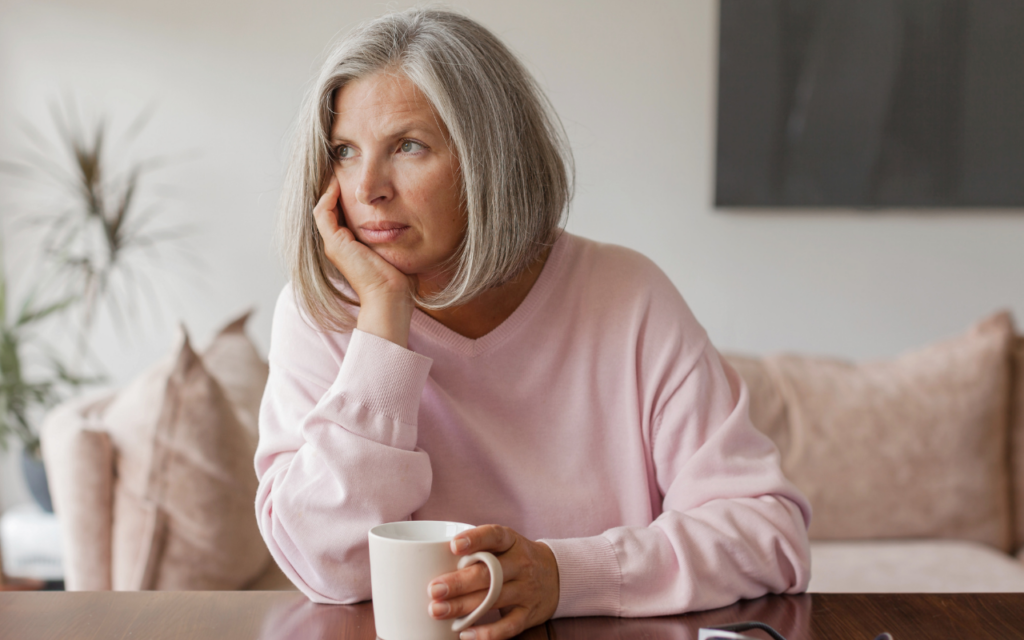
The research also found that many women are growing older feeling increasingly alone. Six in 10 older women reported experiencing loneliness, a higher rate than older men. While loneliness is often dismissed as part of ageing, it can have serious consequences, contributing to poorer physical health, declining mental health and a higher risk of chronic illness.
And for women already struggling financially, those challenges become even harder to navigate.
More than half of older women with inadequate income said they experienced social isolation, compared with just over a third of those with enough income. They were also more likely to report poorer overall health and mental health.
The report also found that these experiences aren’t felt equally. Racialized older women faced additional barriers, including less access to a regular primary care provider, more difficulty getting the health care they need and fewer opportunities to participate in regular social activities.
“Understanding where and how inequities exist is essential to designing policies that improve outcomes for older women,” said Alyssa Brierley, Executive Director of the National Institute on Ageing. “Experiences of ageing differ across communities and demographic groups. If we want better outcomes for older women, we need an intersectional approach to understand where inequities exist so we can address them.”
And then there’s the issue of ageism. One-third of older women said they regularly experience age-based discrimination in their everyday lives – a higher proportion than the 28 per cent of men.
So, how do we fix this?
The researchers say these findings are a starting point – not an endpoint. Better solutions begin with a better understanding of the realities older women face, especially when factors like race and income are part of the picture.
There are, however, some clear places to start. Closing the gender wage and pension gaps would help more women build financial security long before they reach retirement. Better support for caregivers could ease the financial and personal toll of unpaid care work, while more affordable community programs, accessible transportation and culturally safe spaces could help combat the loneliness and isolation so many older women experience.
Improving access to primary care and reducing the costs associated with home and community care would also make it easier for women to get the support they need as they age.
And, as Canada’s population continues to grow older, this is an issue we can’t ignore.
The women who need these changes today deserve better, and the generations of women who will follow them are counting on us to get it right. As the report outlines, that means building communities, policies and support systems that not only allow women to age with dignity, but with financial security and connection.


Lisa Thibodeau