

Women often joke that they secretly fear they will end up alone and penniless in old age, as the so-called “cat ladies.”
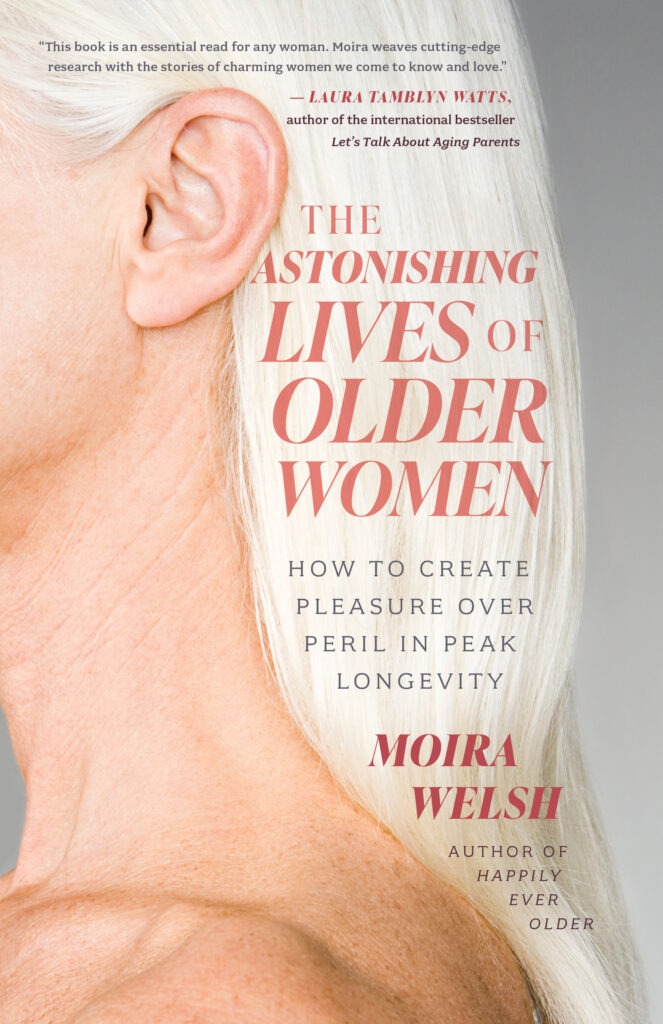
Sadly, as award-winning Toronto Star reporter Moira Welsh details in her new book, The Astonishing Lives of Older Women, which was recently nominated for the Writers’ Trust of Canada’s Balsillie Prize for Public Policy, divorce, time spent out of the workforce raising children rather than building savings and pensions, and the sheer invisibility of older women can make that fear all too real.
We caught up with Welsh to find out what inspired her to write this book and what young women and policy makers can do to ensure a brighter future for women.
THT: Why did you write this book?
Welsh: The idea started with an email from an older woman who told me she and other women who are now retired could no longer afford the basics for survival, such as food and shelter. “We can’t afford to live,” she said. “And there are a lot of us.”
Those words resonated. I raised my sons mostly on my own and deeply understood financial pressure, and the way it never really leaves your thoughts. But in the rush of work and childrearing I somehow did not consider the possibility that the struggle might grow worse later in life.
For me, it was the idea that after decades of female labour, caring for children, partners or parents amongst all the other responsibilities, women shoot out the other end with a lot less money, on average, in retirement, than men.
THT: What is the message you wanted women to take away from this?
Welsh: The main theme was the recognition of older women. The fact that their contributions and sacrifices often lead to a financially deprived existence in their later years.
The gender retirement gap is one of the overarching issues. So is the lack of a healthy workplace pension, if that benefit exists, since lower wages during our working years mean less money paid into that pension. The same applies to the Canada Pension Plan.
Another theme arose from patterns.
We have a large demographic of women who are entering a period of longevity – not just boomers but Gen X and the older millennials who start turning 50 in 2031. Women outlive men. Aging comes with health care costs. Many will outlive savings and even a small workplace pension, however helpful, is not enough to overcome yet another trend: the rising cost of being alive.
The incredible expense of housing leaves many unable to afford rent or even property tax increases. Food insecurity continues. And with little money left each month to meet friends, we risk social isolation and that, research shows, can lead to depression, dementia and an earlier death.
The aim in writing this was to awaken younger women to what lies ahead and in doing so, offer a cautionary tale to those still making decisions on education, careers, jobs with or without workplace pensions and choosing partners well, since divorce can decimate wealth.
THT: How did you choose that title and especially the word “astonishing”?
Welsh: The word “astonishing’ has a double meaning.
It denotes the shock many feel when they discover that a great many women interviewed for the book, like Pat, Susan and Elizabeth, who went to university, had jobs and families, are now left in financial precarity.
And while I have no intention of romanticizing this experience, “astonishing” also speaks to survival through ingenuity, instead of the societal supports that should exist.
THT: How did you get the three women in the book to discuss the challenges and fears they are facing?
Welsh: After reaching out to a lot of women, I connected with Pat Dunn who became one of the three women whose stories I weave throughout the book as a narrative.
I write about Pat’s experience, the trajectory that began as a wife, mother and member of a yacht club to “couch surfing” in her late 60s until the likelihood of living out of her car led to the creation of a group called Senior Women Living Together.
Pat, the connector, introduced me to several women and while not all were willing to be part of the book, some did, in different ways.
THT: Who can most benefit from reading this book?
Welsh: Young women. Even those in high school who are still making decisions about education and employers. No one is suggesting accepting a dreary job because it offers a pension, but it helps to align a fulfilling career with the best compensation and benefits.
And pick a partner who equally shares the domestic responsibilities to avoid the overwork and exhaustion that diminishes the opportunities of many women.
THT: You also tackle issues such as loneliness and sexuality. How is that different for older women than older men?
Welsh: I wrote about sexuality – anecdotally – after a lot of women told me of their yearning for a romantic relationship or, just the desire to have sex. One woman spoke about the hurt she felt after the rejection from an older man who was under the impression that he could do better with the younger crowd. I also spoke with women who were pursued by younger men. It is a thing now.
THT: You break down how fiscal policies – like the wage gap, which leads to pension gaps – have failed women. Can you explain the shortcomings of those policies?
Welsh: The gender wage gap is slowly improving but a lower income still leaves women paying less money into a workplace pension or CPP. Over decades, those losses accumulate. So does the diminished salary created by the “motherhood penalty,” which shows that on average, women’s careers and pay are limited in the years after returning from parental leave. This means less money paid into pensions or a registered savings plan. The average CPP for a woman is less than that of a man, all of which leads to the gender pension gap.
THT: What could politicians do now to ensure women don’t fall through the cracks as they age?
Welsh: Recognize the incredibly important need for affordable housing. Find ways to help older people remain in the community, with shared options to avoid isolation.
Canada stopped funding options such as co-operatives by the early 1990s although we are seeing some recent improvements on such spending.
As for the public pension, my book notes recommendations from the Pay Equity Office commissioned report that, for example, suggests lowering the number of years – currently 39 to 40 – needed to attain a full CPP payment. The average Canadian does not work four decades.
As well, I wrote about a program in Scotland that runs a public awareness campaign on the gender pension gap directed at women in their 20s, which is a brilliant idea.
THT: How do you hope this will change things for the better for these women, and all your readers?
Welsh: I hope the book shows policymakers that older women should be recognized with better options for a good life in their later years, particularly after all their – unpaid – labour.
As for readers, I would like The Astonishing Lives of Older Women to contribute to an awareness of what may come our way and recognize that along with the challenges, there are immeasurable benefits to a long life – especially if we prepare in advance.


Dianne Rinehart