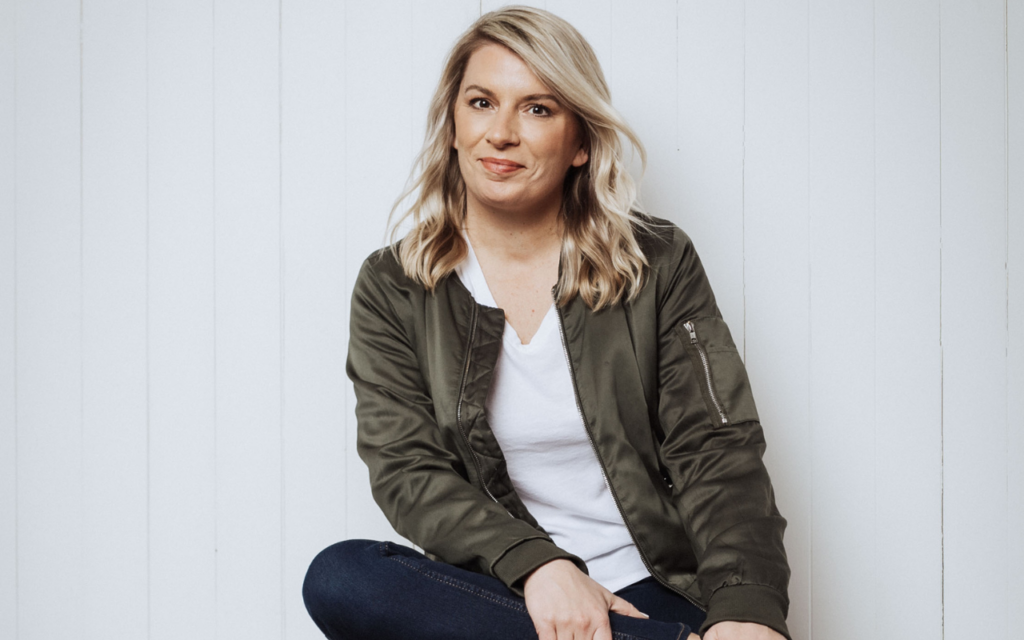
Hot flashes. Hormones. Brain fog. When Canadian director and producer Kate Green found herself navigating a range of perimenopause symptoms, she quickly realized how little women are taught about what’s actually happening to their bodies.
That experience became the inspiration for her new documentary, Menopause: Coming in Hot, which explores the realities of menopause through expert insight, personal stories, and plenty of humour.
We sat down with Green to talk about breaking the stigma, finding the humour, and why women need to start having more honest conversations about their health.
THT: Kate, can you walk me through how this project started?
Kate Green: Well, it came from my own personal experience, really. I knew that menopause was obviously – no pun intended – a hot topic at the time and I was going through the hot flashes and waking up at 3 a.m. At this stage of my life, I felt there wasn’t a lot of information available. There was lots of information on social media, but I didn’t really know where to start.
When I started realizing that GPs aren’t always trained in menopause and that there’s a real lack of research and knowledge, I really became the captain of my own ship when it came to my health. I also felt that TELUS originals was a really great partner to have for this subject matter, so all the stars kind of aligned.
THT: You’re usually behind the camera. Being on camera is already vulnerable for people who aren’t used to it, but talking about something so personal – your health, and your intimate health as a woman – takes that to another level. How did you work through that and get past some of those feelings?
Kate Green: Yeah, it’s a great question. It was a rather terrifying experience, especially when you’re talking about your health and things that are rather personal. But I really felt like if I didn’t talk about it, if I didn’t take the plunge, then it was just going to be left up to the next generation.
That was exactly what I was dealing with. My only reference to “the change” was the movie Fried Green Tomatoes. My mom and I didn’t talk about it.
That’s really the point of the film: come out, watch the film, have a good laugh, start talking with each other. Start talking about what you’re going through. What have you found that works?
When women come together, talk, and unite, it’s so powerful. They really can change the world. As cliché as that might sound, I think it’s true. When women get together, it’s a very powerful thing.
THT: I love your point about laughter, because there is a fair bit of comedy in this documentary. Was that a conscious choice – to open up this conversation in a more approachable way?
Kate Green: Yeah, 100%. First of all, because I think I’m hilarious. Comedy is part of my DNA. That’s just who I am. But I also thought comedy would make it accessible – not just for women, but for their partners as well, including male partners.
It also felt right because being a woman is frankly quite absurd sometimes. You have to laugh; otherwise, you’re going to cry. All the things that we go through, and all the changes our bodies experience at various stages of life, it’s crazy.
We give a lot of really good information in the film, but we do it in a way that’s very consumable. It’s not like, “Oh, that looks gross,” or, “They’re talking about women’s periods.” It’s a very approachable way of sharing information.
At the screenings, quite a few men have come out and gotten right into the Q&A sessions afterward. They’ve got questions, they’re putting their hands up, and they thank us because it’s so accessible for them as well. So absolutely, the comedy was a very conscious decision.
THT: This was obviously a personal journey for you. How did your perception of women’s health – or even menopause – change through working on this project?
Kate Green: I didn’t realize just how badly women have gotten the raw end of the stick when it comes to health research, particularly menopause research.
My biggest takeaway was, wow, we’ve really got to change this. We’ve really got to step up. I don’t know exactly what the solutions are, but it was kind of shocking.
That said, I do think some change is happening. We talk in the film about how the University of British Columbia is now including menopause training in its GP curriculum, which is great. There are a few more research dollars going toward hormone therapy and women’s health.
There are slow, subtle changes happening. But again, changes like that happen because women keep talking and women keep pushing. At the end of the day, that’s what this film is about: working together and trying to make a change.
THT: What was the biggest thing you learned?
Kate Green: Oh, there were a lot of things.
At the beginning, I had a lot of symptoms that I didn’t realize were related to menopause or perimenopause. I’d wake up with shoulder pain and think, “What’s going on?”
There were a lot of physical things that I learned about.
But one of the biggest lessons came from the older moms and women we interviewed, women who had already gone through it. They talked about how your 50s can be a really powerful time as a woman, and how aging is actually a beautiful thing.
You’re coming into this era of knowledge. I call it my power era. It’s truly like: zero f––– given anymore.
That was one of my biggest revelations, that there’s another era ahead, and I’m going to kick ass in it.
THT: Final question: what do you hope audiences take away from the documentary?
Kate Green: I really want to build community around the film.
It’s so great when a bunch of girlfriends come out to watch it. They wear pink or red, they’re laughing and clapping…it’s an opportunity to connect.
Before every screening, I tell people: I’m giving you permission right now to laugh, to cry, to say, “Hell yeah, sister,” if you hear something that rings true for you.
Building that community is something I really want the film to do.
I also want women to know that I’m just a regular person, and this is what I’ve gone through. If they see similarities in my experience and it gives them the courage to go to their doctor or seek out health professionals, I think that’s incredibly powerful.

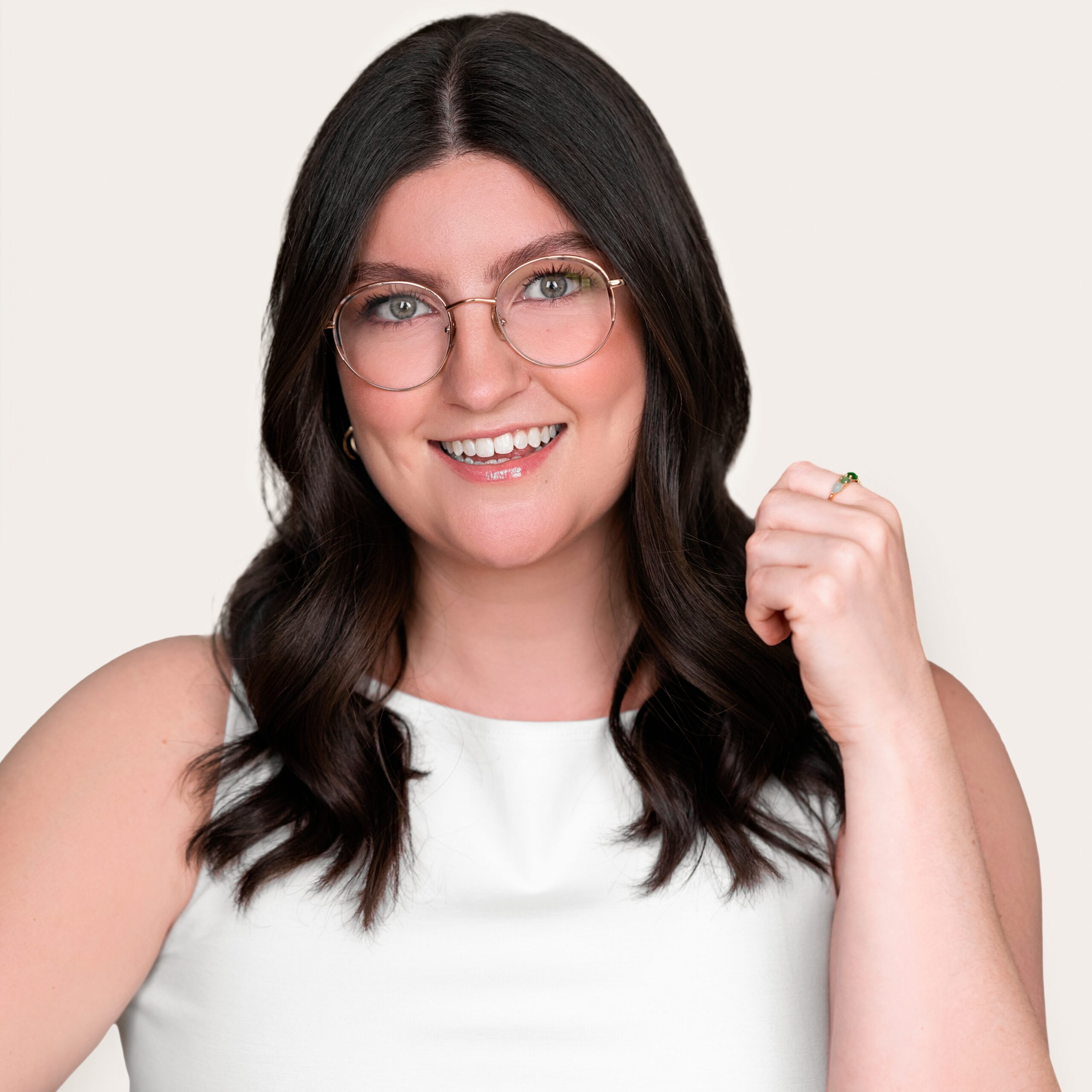
Lisa Thibodeau