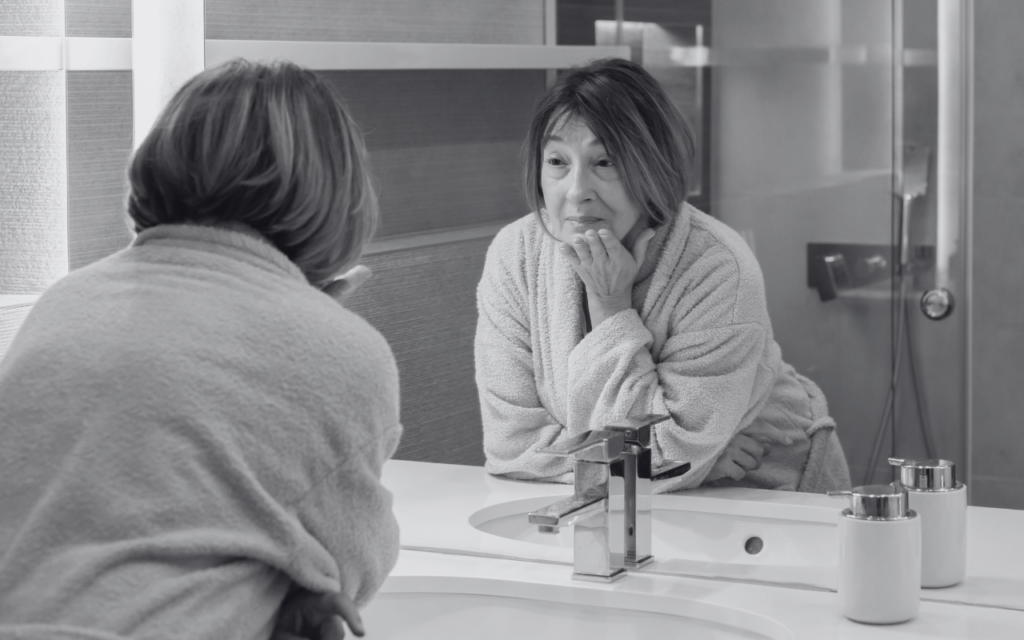
From puberty to perimenopause, women are often expected to navigate hormonal changes with limited information and even less support. But as a new national survey suggests, the impact of those changes goes far beyond just women’s physical health.
Research from Leger and Science&Humans, a hormone health platform in Canada, found that nearly 60 per cent of women say hormonal changes affect their sense of identity, impacting their self-confidence, relationships, work, and day-to-day life.
Hormonal changes are known to affect things like mood, energy, sleep, and focus, all of which can contribute to feeling less like yourself. At the same time, many women say getting answers, or even just feeling taken seriously when trying to address that fact, can be a challenge.
More than half of respondents say they’ve run into obstacles when trying to access hormone-related care, and 41 per cent say those experiences of feeling dismissed or unheard have made it harder to open up with healthcare providers in the first place.
In some cases, that experience shows up in the way symptoms are downplayed or explained away.
Nearly three in 10 women say they were told what they were going through was simply “normal aging,” even when it didn’t reflect how disruptive the symptoms felt in their day-to-day lives. Others point to a more basic gap in understanding, with 32 per cent saying they’ve never been properly informed about how hormones actually affect their health – leaving them to figure it out on their own.
And then of course, there is the healthcare knowledge gap. Over 80 per cent of women said they feel healthcare providers need better training and resources to deal with hormone health, pointing to under-researched and underfunded areas like PMOS (formerly known as PCOS).
That’s part of the reason Science&Humans is launching a new campaign, “Who Am I?”, in tandem with the survey, aimed at opening up more honest conversations about hormonal health and how it can shape women’s lives well beyond physical symptoms.
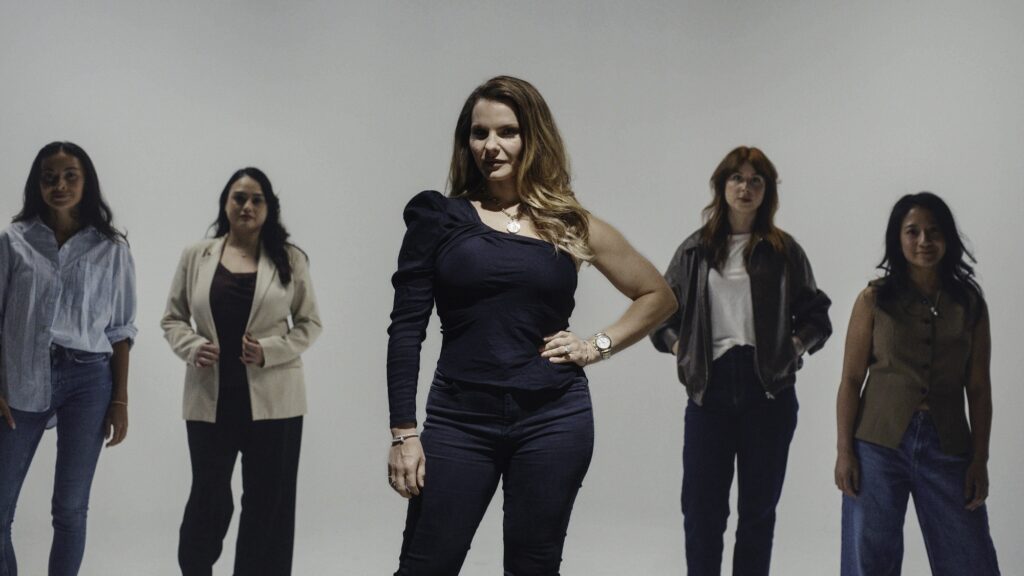
The campaign, which features tech entrepreneur and Dragon investor Michele Romanow, is designed to challenge the stigma that still surrounds hormonal changes and encourage women to talk more openly about what they’re experiencing.
“Too many women are made to feel like they just have to tolerate symptoms that are affecting every aspect of their lives,” Romanow said in a press release. “Hormonal changes can impact energy, mood, confidence, relationships, and even your sense of self, yet so many women still feel isolated in those experiences. The goal of this campaign is to make these conversations more visible, more informed, and ultimately less stigmatized.”
And while campaigns like this are helping to bring these conversations forward, as the survey suggests, there is still work to be done in how they are received in medical settings.
For many women, the issue is not only whether they feel able to speak about hormonal changes, but whether they feel heard once they do – especially when those changes are shaping so much of how they see themselves.


Lisa Thibodeau