
If something happened to your parents tomorrow, would you know where their will is? Would you know if you’re the executor? And if you are – would you know what that actually entails?
Data from online estate planning platform Willful shows women are far more likely than men to be handed these responsibilities. Over 50 per cent of Canadians name a woman as their executor, and 55 per cent name a woman to make healthcare decisions on their behalf. But being trusted with the job doesn’t always come with the inheritance to match.
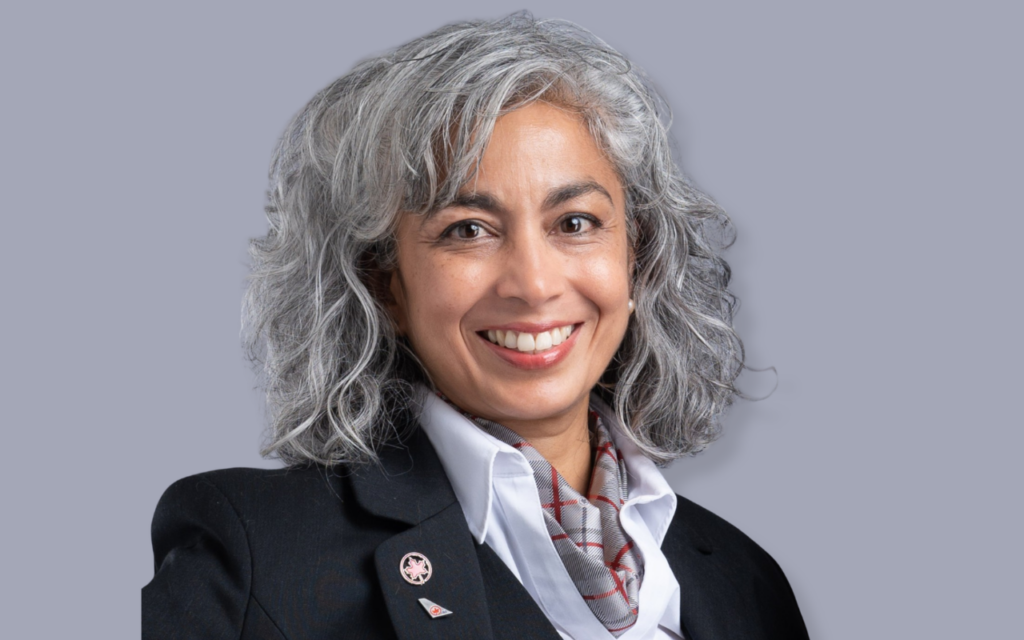
As co-founder and CEO of Willful, Erin Bury has plenty to share about why women keep ending up in these roles, and what they should ask before they accept them.
The default decision-maker
Bury says the pattern of women being handed the responsibility isn’t surprising once you look at who’s actually running a household.

“I think women are the organizers of the family,” she observed. “They’re the holders of logistics…there’s a lot of confidence that women will just figure out a way to get it done.”
But Bury is careful to point out what that trust actually costs.
“Being appointed executor is an honour in one sense, because someone trusts you. But in practice, it’s a huge burden. It’s a lot of work. It’s a logistical nightmare.”
What many people don’t know is there is actually financial compensation tied to that work.
In Canada, executors are legally entitled to payment, typically 2.5-5 per cent of the estate, depending on the province. But, Bury says women are especially likely to skip it – possibly due to lack of confidence or a desire to avoid conflict.
“There’s this kind of unwritten rule, especially when it’s between siblings,” she said, describing the guilt that comes with claiming what you’re owed. “But this is a job, and it should be paid.”
Her advice: raise it before the crisis hits, not during it.
“If I’m the executor of my mom’s will, I have a vested interest in asking her, do you have a will? Where is it stored and how can I access it? Am I the only executor named? Do you want me to take the total compensation I’m entitled to?”
What to ask before you say yes
On top of the compensation question, Bury says there’s a short list of other things worth asking upfront if someone asks you to be an executor: Where are your accounts? Who do you pay? Is there a chance your estate could be insolvent? (That’s an awkward but important one, she notes, since it often signals a hassle and means you won’t get paid.)
Specifically for healthcare decisions, she says to go beyond the legal document.
“Tell me about what you value. Would you ever want to be on life support? In a care home? What are the absolute no-gos?”
Bury acknowledges these are tough but needed conversations, better had now than later. The same goes for funeral and burial wishes.

And, of course, it’s important to remember that despite how hard it might be to do so, you’re allowed to decline.
“It’s okay to say, listen, mom, dad – I know how much work is involved with this, and I know that I’m not the best person for it,” Bury said, suggesting a trust company or professional executor as an alternative.
Still, she acknowledges most people would feel guilty not doing it for their loved ones. The key here is to set boundaries with your time and energy.
“That’s the advice I’ve used in my own life too,” she explained. “Be open with what you are and aren’t willing to do, either now or in the future, related to their estate.”
Who needs a will? Short answer: everyone
While creating a will may sound like something you would do in the distant future, it is important to have one. And if you’re part of a couple, that doesn’t mean you need to wait until your partner is ready to have that conversation.
One of the biggest gaps Bury sees on Willful is one partner in a couple who has a will, and one who doesn’t – and she says that’s completely fine.
“You don’t have to wait until your spouse is ready to create theirs,” she highlighted. “Wills are like tax returns. You each need your own.”
For couples who have been putting off the conversation, Bury says it can help to reframe what a will actually is. It’s not about expecting the worst, it’s about making sure the people you love aren’t left with unnecessary stress or difficult decisions.
She also notes it doesn’t need to be complicated, as a will comes down to three decisions: who’s your executor, who inherits and who cares for your kids.
For some couples, especially those who are not married, having a will is even more important. Common-law partners are not automatically entitled to inherit from each other in several provinces, and in Quebec, unmarried spouses do not inherit through legal succession at all. That means without a will, the person you share your life with may not automatically receive what you intended them to have.
The need for a will also doesn’t disappear if you’re single. In fact, it can be just as important because you’re the only person making those decisions.
For single women, the role of executor often falls to a parent, sibling or close friend. But Bury says it’s important to think practically about who you choose – and whether that person will realistically be able to take on the responsibility years from now.
“If I appoint my mom as my executor and she’s in her seventies, it’s unreasonable that she’ll either be alive or able to act as my executor when I’m 100.” A younger backup, she says, that lives close enough to realistically handle logistics, is worth naming from the start.
Bury also pushes back on the idea that only married people or parents need a will.
“There’s a belief that I only need a will if I’m old, if I’m rich or if I have a spouse or kids to protect,” she observed. But everyone has something they may want to leave behind – whether that’s money, sentimental items or simply clear instructions for the people around them.
“Even if you only have $1,000 to your name, wouldn’t you want to direct where that goes?”

Emma Caplan-Fisher