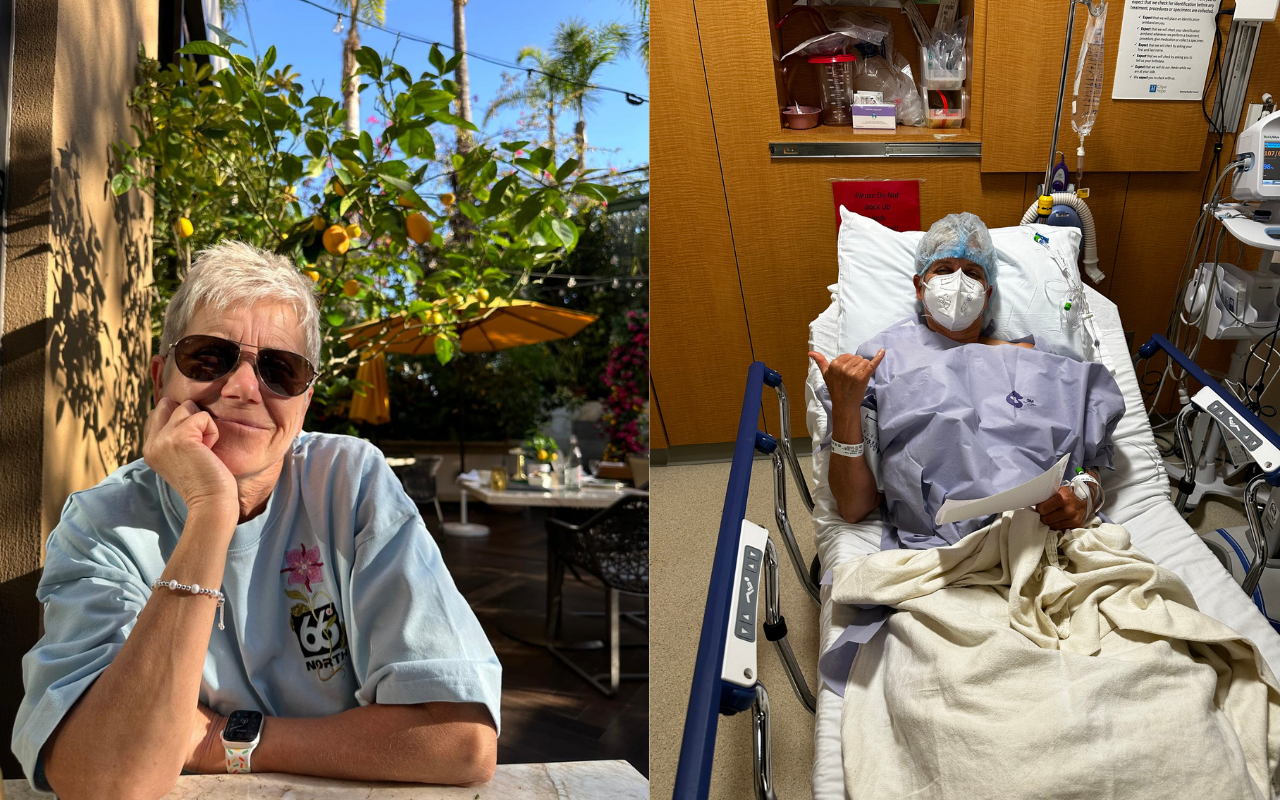

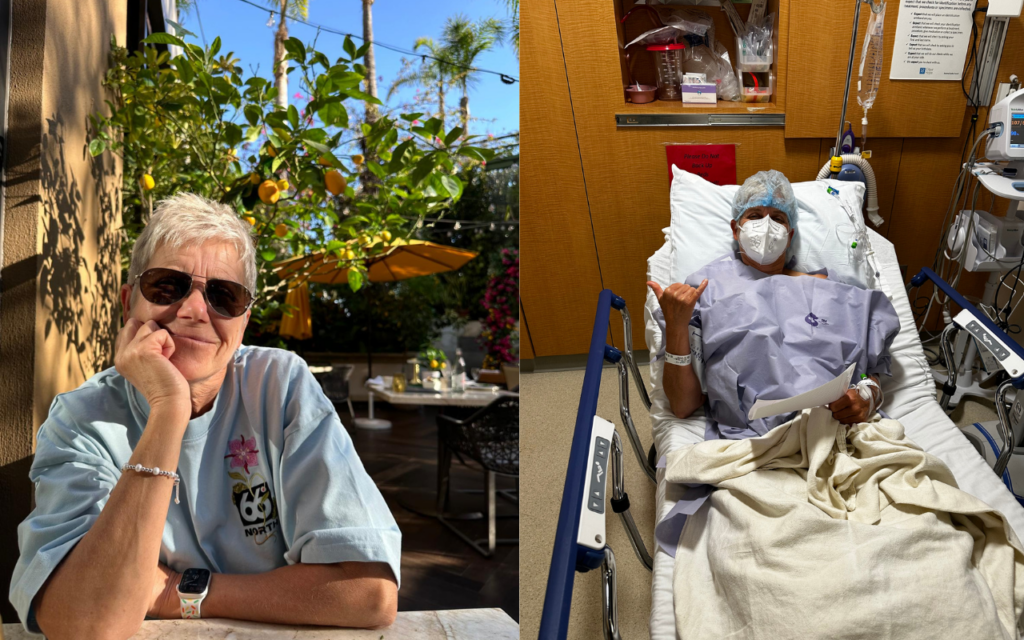
In March 2024, during a girls’ weekend in California, Deb Thon noticed something unusual: spotting. It was light. Inconsistent. Barely enough to be sure it was happening at all.
“I didn’t tell anybody, of course,” she recalls. “We don’t do that.”
Postmenopausal by eight years and 60 at the time, she eventually called her doctor.
That decision would change everything.
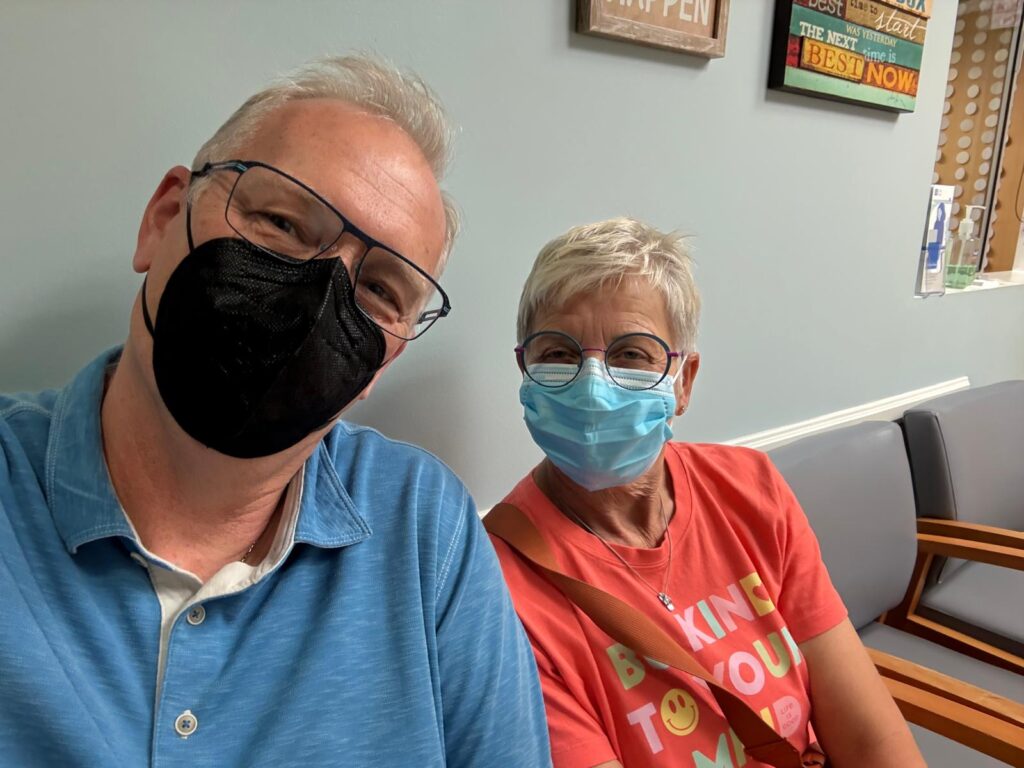
A week later, she was back in Calgary getting an ultrasound which revealed abnormal thickening of her endometrial wall. “Abnormal thickening is never normal,” her doctor said. A biopsy followed. Four days later, the news arrived: she had clear cell endometrial cancer, a rare and very aggressive form.
“My stomach just dropped. My world just crashed,” she remembers.
After her diagnosis, everything seemed to move at lightning speed. She found herself sitting across from her growing medical team, absorbing information she never expected to need.
“It was overwhelming,” she says. “You’re trying to listen, to ask the right questions, but you’re also thinking, ‘How is this my life?’”
The plan became clear from that point: surgery first, followed by treatment.
“We weren’t given any choices or options about the surgery, it was an ‘everything out’ approach,” she says.
Doctors removed her uterus, ovaries, tubes, cervix, and omentum – the fatty sheath protecting abdominal organs. The subsequent pathology showed they caught it early enough to avoid chemotherapy – likely because Thon had the intuition to tell her doctor about the spotting – but radiation would still be necessary.
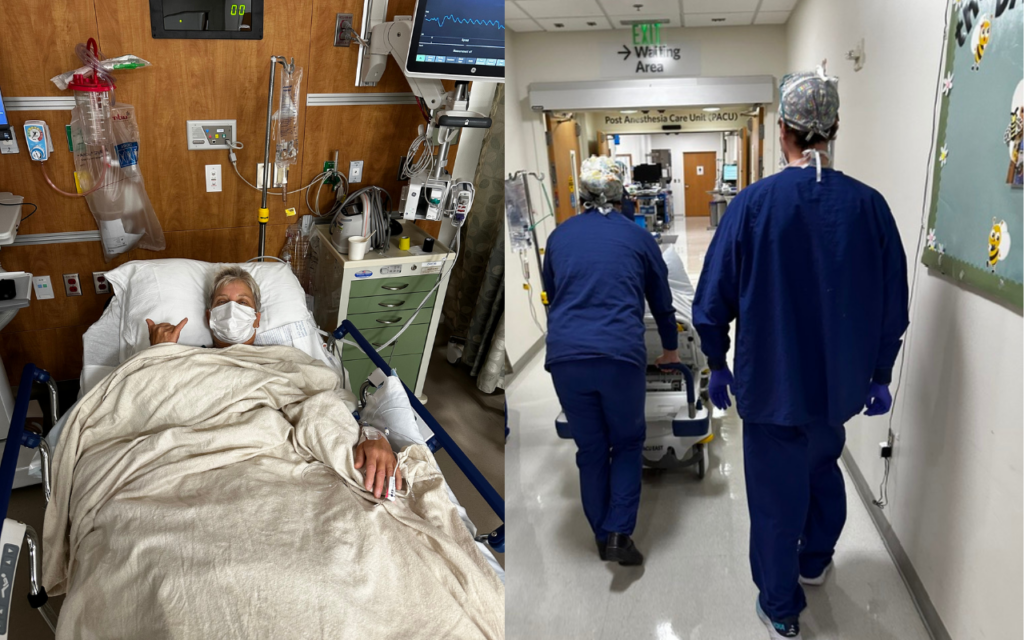
The post-surgery recovery was incredibly painful and disorienting, marked by limited mobility and a body that no longer felt familiar.
“I kept asking when I would feel like myself again,” she says. “And no one could really answer that.”
The radiation that followed brought its own set of challenges, says Thon. The treatment – internal vaginal radiation – was physically taxing and emotionally draining, compounding the effects of surgery.
“Radiation changes things in ways people don’t always talk about,” she says. “Your body reacts differently. Things don’t just ‘go back.’” Side effects emerged slowly, then lingered, impacting Thon’s energy levels and bladder function.
“You finish treatment, and people think you’re done,” she says. “But in many ways, that’s when the real work begins.”
A new reality
Now, nearly two years post-diagnosis, Thon says the physical challenges remain.
“Pain is constant. I have vaginal pain and deep core pain,” she says. Activities she once loved that defined who she was, like hiking and golfing, are no longer simple pleasures. Fatigue, too, is different from ordinary tiredness, and often limits how much physical exercise she can handle.
She is also still struggling with the lasting effects of radiation, working diligently on things like vaginal dilation and rehabilitation, a deeply personal aspect of her recovery.
“Hardly anybody knows about that part of it. It’s a lonely, heavy burden, and it’s only on me,” she says, adding that partner intimacy is still an ongoing challenge. “People think you look great, like your old self, but really you’re a shadow of yourself inside, and you can’t really share that with a lot of people.”
The mental toll is equally profound, says Thon. She speaks candidly about the fear of recurrence, loss, anger at her circumstances, and the struggle to have self-compassion. Loneliness and isolation add another layer, she explains, with friends and family unable to fully understand the invisible burden of recovery.
“People like to focus on the notion that I’m cancer-free, because that makes them feel better, and that’s understandable,” she explains. “But for me, that doesn’t really mean anything. My risk of recurrence is one in 100… I always see the one, not the 99. But I don’t live in fear. I don’t stay awake at night. That’s just my reality now.”
A fresh perspective
What has made the difference for Thon is accepting help – and letting recovery extend beyond the physical.
She admits she had not anticipated the mental and emotional weight that would accompany surgery and treatment. Beyond pain and fatigue, she faced grief, frustration, and the challenge of adjusting to a body and life that had irrevocably changed. Her medical team would remind her that she could not return to her old self; she would have a “new normal,” one that required patience, focus, and openness to support.
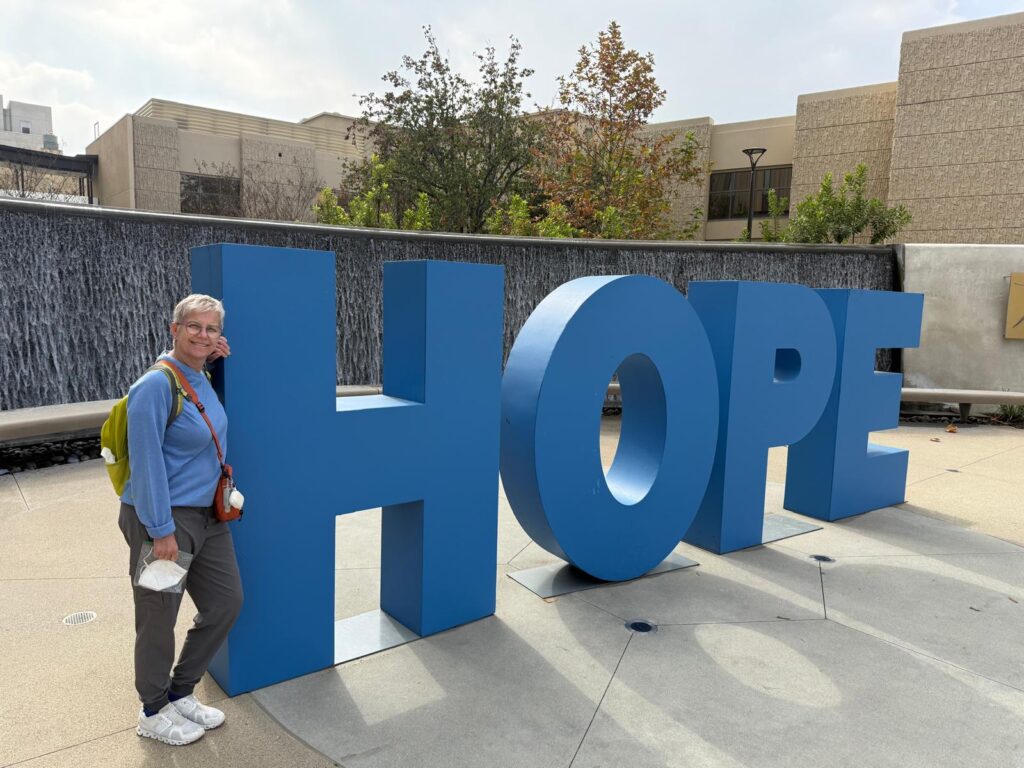
“That concept was very difficult to accept and understand, probably because I spent the first eight months raging against it and trying to get back to my old self which was long gone by then,” she says.
But, gradually, she realized there are no “short cuts” to healing, and began openly leaning on her clinicians and the steadfast support of family and friends.
“I wouldn’t be where I am today without committing to the psychology work, occupational therapy, yoga, scar release – my whole team,” she says.
Thon has also learned to try things she once resisted. It took nearly a year before she joined a cancer survivor fitness class, having previously modified her old routines. “I didn’t want to admit I belonged there,” she says. “But when I finally went, it fit. And that mattered.”
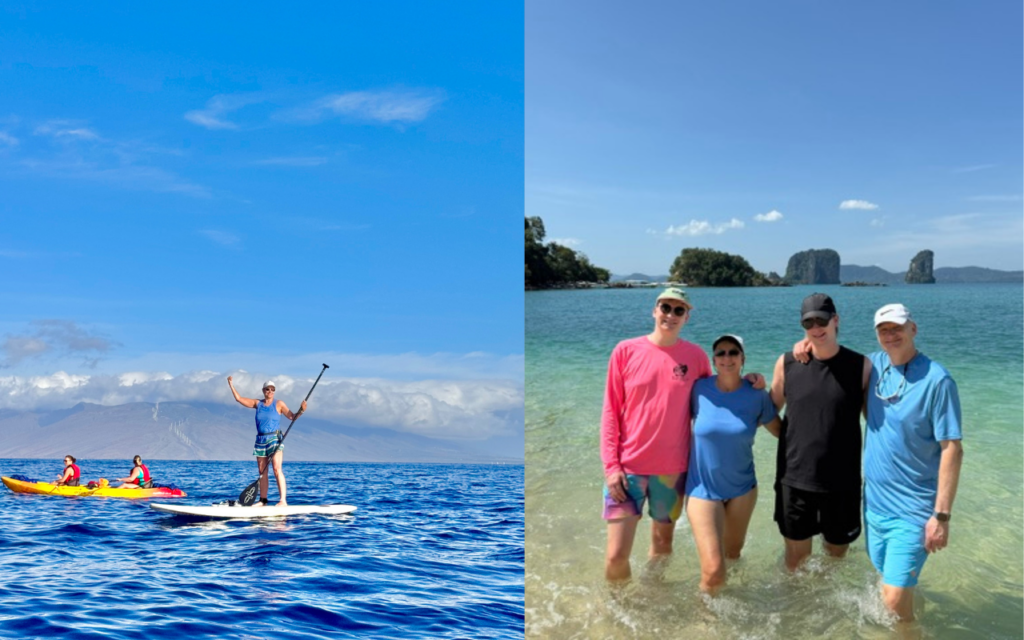
Through it all, she’s begun to see herself differently.
“I’ve learned I have courage. I’ve learned my body is an incredible thing, and it’s carried me through something really hard. I’ve learned that I have hope and optimism, but that I need to be nicer to myself,” she says. “I think my life might actually be better in some ways.”
That belief, however, didn’t come easily.
“When I first heard people say that they were better after experiencing something like cancer, I thought, no way. But now I think I understand it. I think life can be more full. I can be happier. I can let go of some things that were never mine to carry. I have a deeper appreciation for things, and I’m just moving more slowly through life.”
Reflecting on her entire experience, her message to other women is simple, but urgent: listen to your body and advocate for yourself.
“We are not less important because we’re busy caring for everyone else,” she says. “If something changes, get it checked. The cost of not, is huge. And if you’re going through this, ask for help. Just do it. You need it, and your family needs it.”
MORE STORIES