
It’s been impossible not to feel the buzz watching the 2026 Winter Olympics unfold. From nail-biting finishes to joyful celebrations (and some heartbreaking hockey moments), seeing Team Canada shine has sparked a wave of pride across the country.
We’ve been lucky enough to go a step further, chatting with some incredible female Olympians about what it’s really like to represent Canada on the world stage. They share the highs, the pressure, and the very human side of chasing excellence – from balancing intense competition with everyday life to carrying national pride while still trying to stay grounded, present, and themselves.
Here are some highlights from those conversations!
Marnie McBean
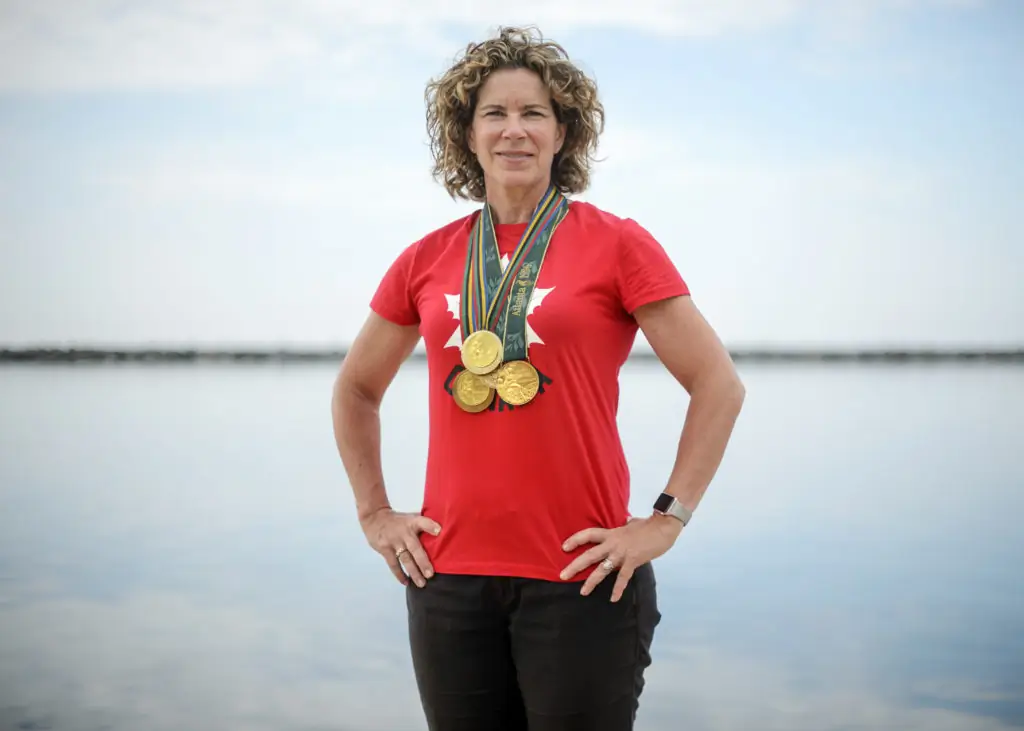
Marnie McBean knows a thing or two about winning. She’s a three-time Olympic champion, a three-time world champion, and a Hall of Famer. And when she wasn’t collecting medals, she was leading the charge as Team Canada’s Chef de Mission at the Tokyo Summer Olympics.
On being ambitious: Ambition occurs when we have hard goals. Some days are great, some are good, and some are hard. And you’ll think, “Who set this goal? This is crazy.” The fear and doubt that you have on some days is normal. The presence of fear and doubt doesn’t mean you’re on the wrong path; it often means that you’re on the right path, and you have a really healthy, hard goal. There’s no joy in achieving mediocre goals, and easy days are often boring days.
On being a successful athlete: This idea that success happens to other people or success happens to special people, there’s no such thing. There are just people who are going out there and figuring it out, figuring out how to close the gap between here and there one little bit at a time.
Perdita Felicien
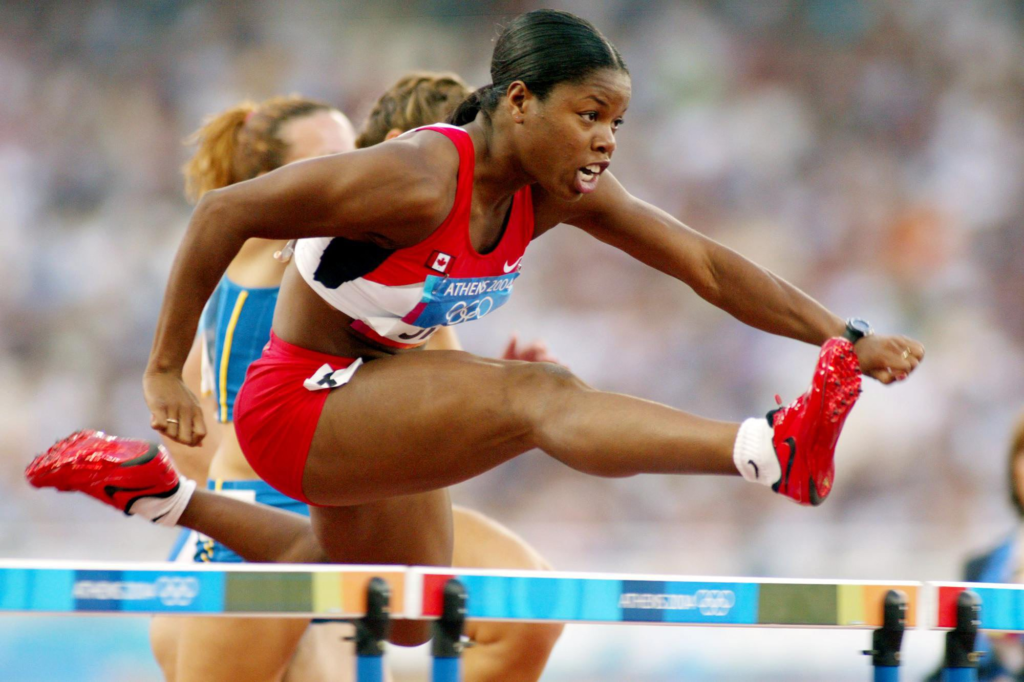
Perdita Felicien spent more than a decade representing Canada as an elite track and field athlete, hurdling her way into the hearts of people across the country and around the world as a two-time Olympian, a world champion, and a ten-time Canadian champion.
On pushing through setback: Athens was devastating. You train for something for so long, you believe you can get it – and then you don’t. So many of us face that in life. I went into the Olympics undefeated, the favourite, the reigning world champion, and then suddenly it was over. I remember sitting in the stadium in Athens in 2004, completely numb, when they handed me a satellite phone and my mom said, “You are the gold.” It didn’t take the pain away, but it gave me air — like opening a window when you’ve been choking on smoke. For her, it wasn’t failure. It was, get up, my child.
On her advice for other women: I really feel like every woman should, whatever space you take up, not apologize for it. Heck, take up even more space. Make time for yourself, truly, and don’t feel guilty about it — because we really do make the world go round.
Carla Qualtrough
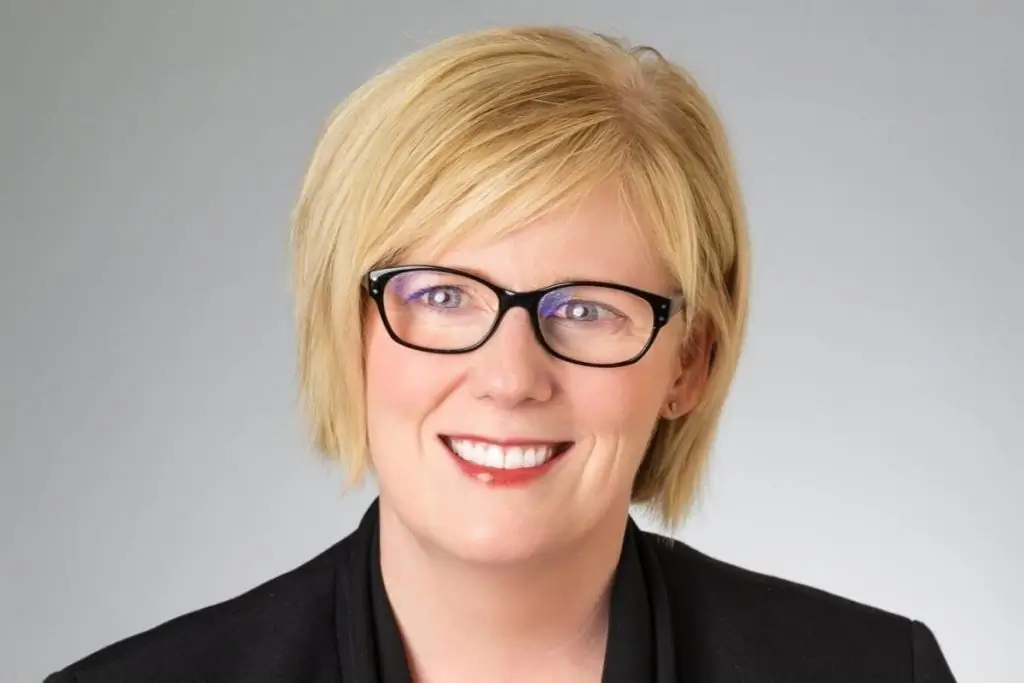
Carla Qualtrough has never been one to do things halfway. She’s a three-time Paralympian, a four-time world championship medalist, and has been named one of Canada’s most influential women in sport six times. After her athletic career, she pivoted into human rights law and politics, serving as the former Minister of Employment, Workforce Development, and Disability Inclusion.
On finding her passion for swimming: I was born into a family where we did every sport imaginable – downhill skiing, waterskiing, curling, baseball – and every sport I wanted to try, my dad went to extraordinary lengths to help me feel able to participate in it. But eventually, all the accommodations in the world couldn’t compensate for the fact that it just got too fast. The ball got too fast, the slopes got too steep. And that’s when I found Paralympic sport. And I tried a whole bunch of sports that are designed for people who are visually impaired or that have built-in rules that accommodate for people with visual impairments and I found something and fell in love. I just loved to race; I loved to compete; I loved to train; I loved to become better. And that’s what swimming allowed me to do.
On lessons learned as a paralympian: It taught me all the general lessons that you learn through sport: hard work, don’t cut corners, being a member of a team, and time management. But the Paralympic movement in particular exposed me to, first of all, a world of massive discrimination that exists out there around the world. I really got to see how in other countries, people like me were hidden, and people like me didn’t work, and you just couldn’t see disability on the streets. It really piqued my interest in the human rights side of disability. But it also intrigued me, given my lifelong interest in building systems that are inclusive from the beginning.
Lisa Weagle
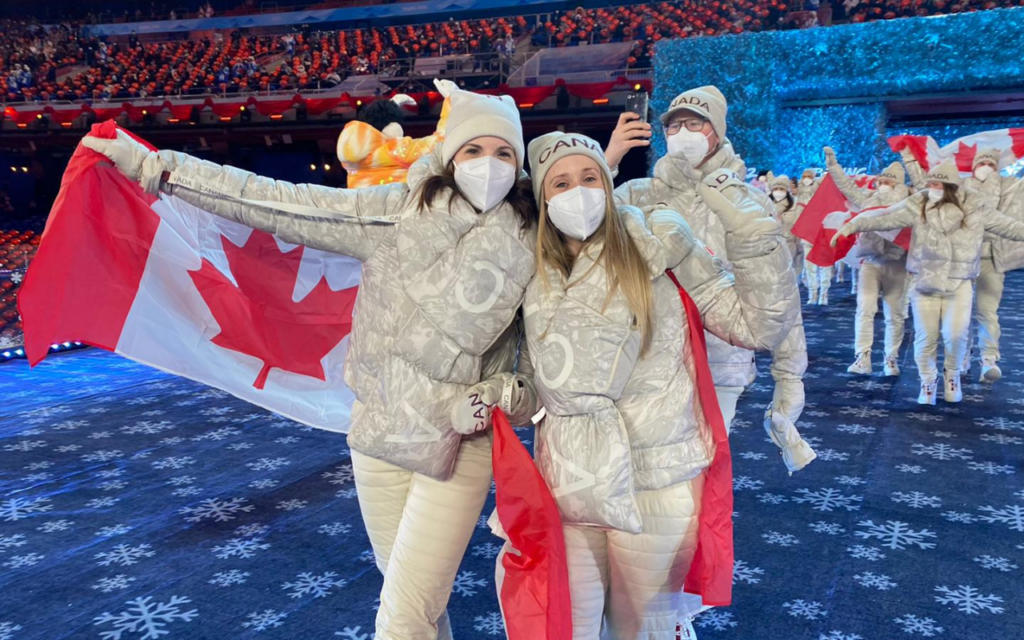
Lisa Weagle is one of Canada’s top curling athletes, with a storied career that includes two Olympic Winter Games, three Scotties Tournament of Hearts titles, as well as gold, silver, and bronze medals from the World Women’s Curling Championships.
On her passion for sport: Curling was just something I always loved. My parents only joined the sport the year before I did. They were looking for a sport to play together, and they joined the mixed league and then signed me up for Little Rocks. So I was soaking it in. I loved watching curling on TV. I had the curling heroes that I loved to watch and wanted to be like, and I wanted to go to the Scotties; I wanted to go to the Olympics. But I don’t think I was an undiscovered talent. I had to work hard and was lucky to be part of some really good teams.
On remaining grounded: For me, it’s not about individual accolades. Maybe that’s part of being an athlete in a team sport. It’s really just about the team and putting the team first and figuring out what we can accomplish together. It was never about me being the shining star; it was about being on a winning team. And that’s the way I approach my work in communications, it’s the way I approach curling. It’s the way I approach my life: just loving to see what we can all accomplish together.
Silken Laumann
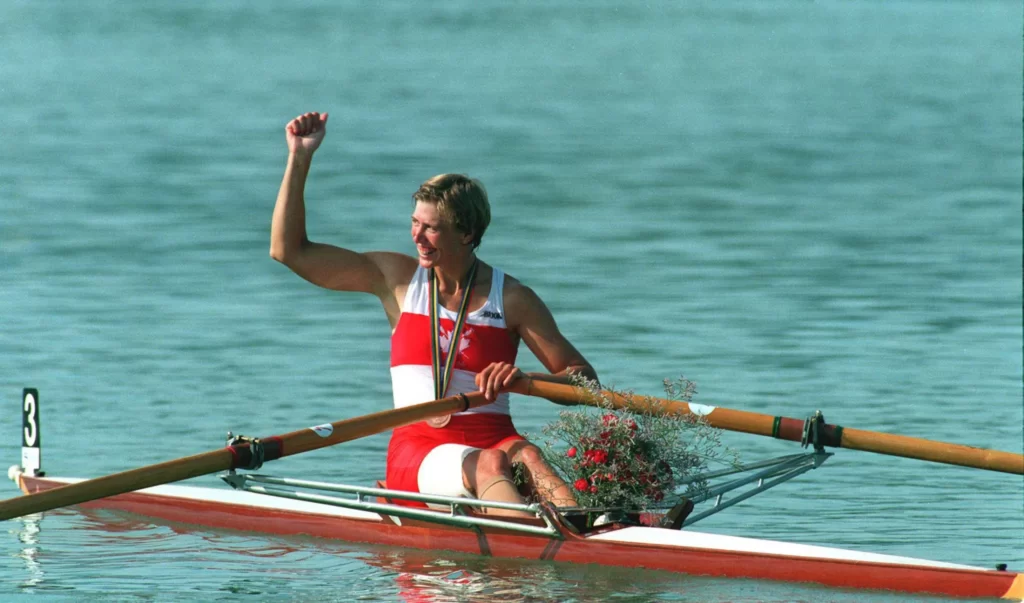
Silken Laumann captured the hearts and minds of Canadians by rowing for this country in three separate Olympics – and winning three Olympic medals. She also won a world championship and a gold medal in the Pan American Games.
On her strength as an athlete: I had the ability to eliminate all distractions and get zeroed in on what I wanted. That really was just a force at that point, and I had that laser intensity that was needed. I had dreamed about going to the Olympics every single morning that I woke up for over a decade before that.
On maintaining balance: I’m a very internal person; I think deeply about things. I could sit for a whole day just with myself, not talking to another single human being, and I’d be perfectly happy. We are not getting enough of that as women, particularly in our mothering years or the professional years. We’re all looking for these little strategies and reprieve. The most helpful for me is meditation – I like moving my body, and sitting was really hard for me, but I notice that when I have a regular sitting practice, usually in the morning for around 20-30 minutes, it really does have an impact on my ability to not boil over.