
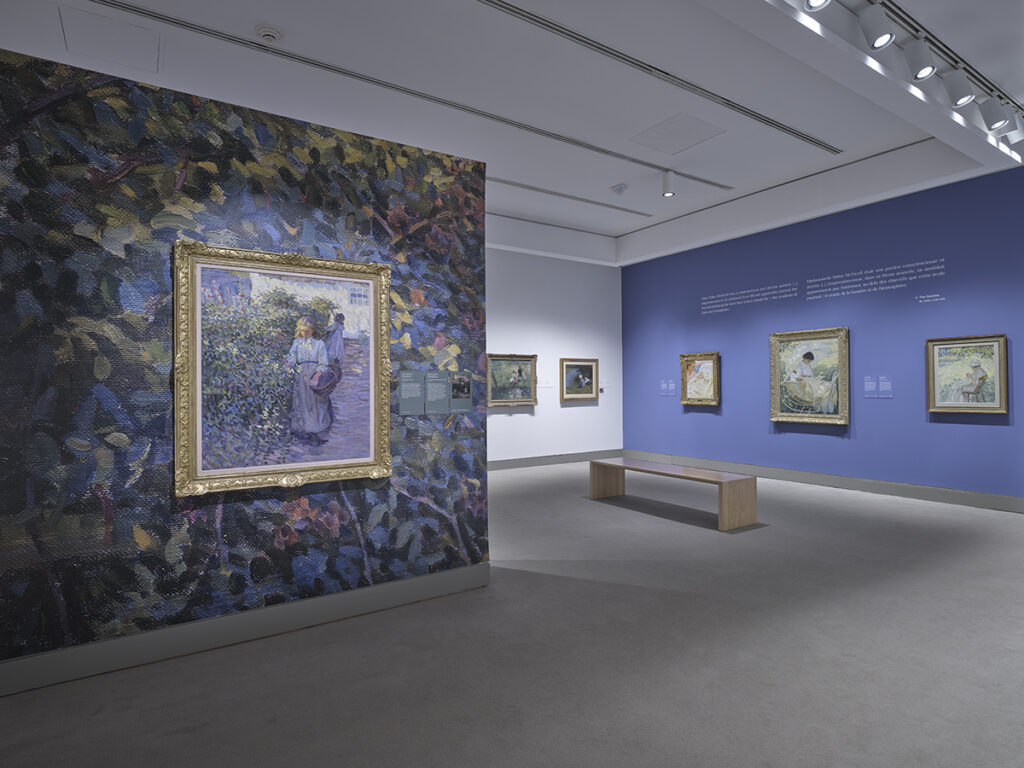
For decades, conversations about Canadian art have largely centred on a handful of familiar names. This summer, however, the National Gallery of Canada is turning its focus to another influential figure: Helen McNicoll.
Helen McNicoll: An Impressionist Journey is the Gallery’s first retrospective dedicated to the Canadian artist, bringing together more than 80 paintings, sketches and archival materials that follow her career over its nine year span, before her death in 1915 at the age of 35.
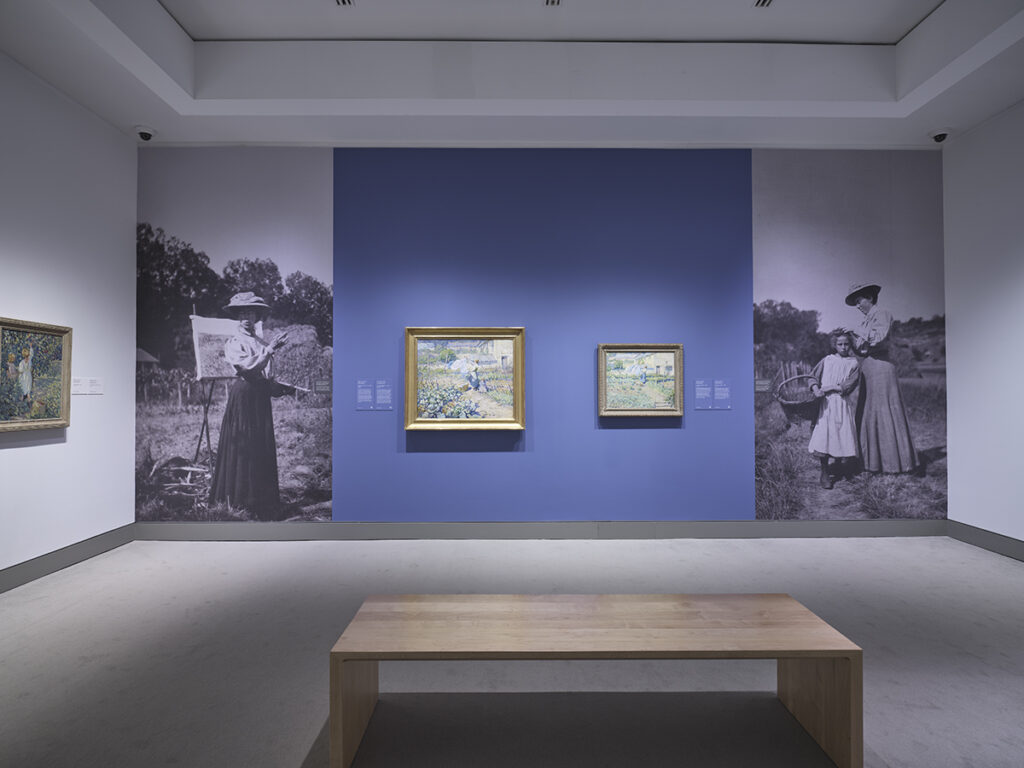
But rather than taking visitors through McNicoll’s work chronologically, the exhibition is organized around the themes she returned to in her art throughout her career – from landscapes and gardens to labour, leisure and everyday life. Along the way, photographs, letters and other artifacts help paint a picture of the woman behind the artwork.
It’s also designed to challenge one of the biggest misconceptions about McNicoll.
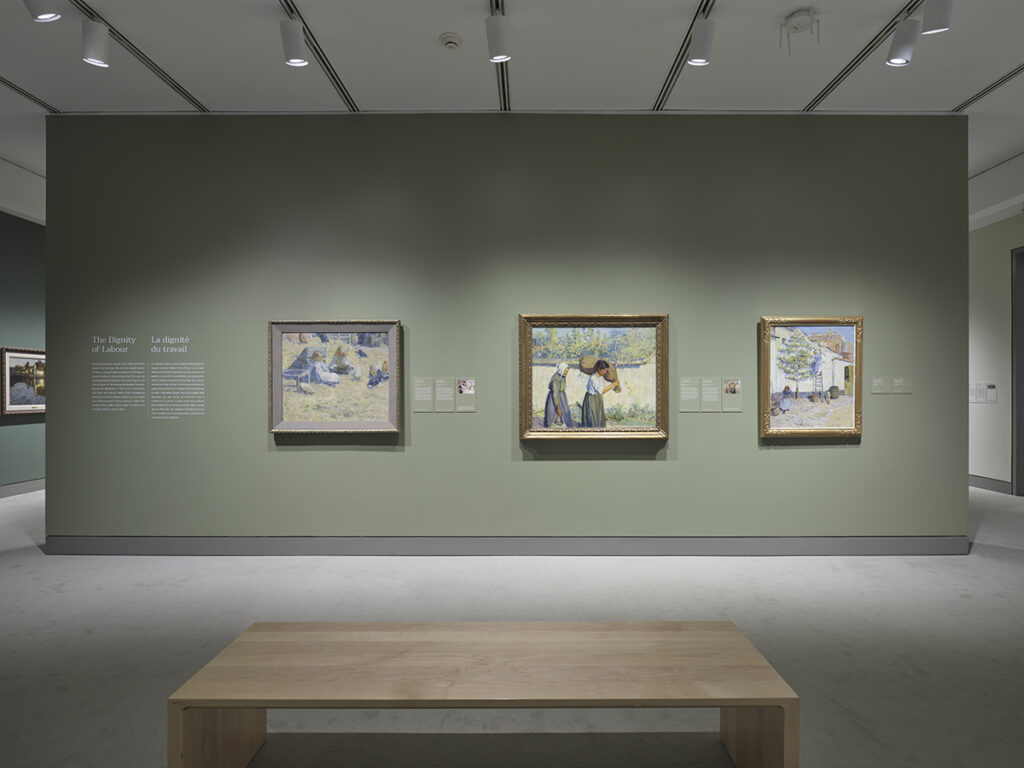
She’s often been remembered as a painter of women and children, but curator Katerina Atanassova, the National Gallery’s first female Senior Curator of Canadian Art, says that description overlooks just how varied her work really was.
“Contrary to common belief, she wasn’t simply a painter of women and children,” Atanassova says. “Almost immediately in the exhibition, you see this explosion of thematic interests and different subject matter. We wanted people to understand why we consider her one of Canada’s most accomplished women painters of that period.”
The bigger picture
If you look closely, you’ll also start to notice paintings by several of McNicoll’s classmates and contemporaries hung alongside her own, including works from William Henry Clapp and Clarence Gagnon. Atanassova intentionally included them to place McNicoll within the artistic community where she studied, worked and exhibited, rather than presenting her in isolation.
“I am not a fan of isolating women from the conversation,” Atanassova says. “They worked shoulder to shoulder with men. They had to meet the same standards. Why are we isolating them?”
The exhibition also features works by British artist Dorothea Sharp, who played a significant role in McNicoll’s life and career. The two painted together in England, and letters included in the exhibition describe Sharp helping organize studio visits and advocating for McNicoll’s election to the Royal Society of British Artists.
For Atanassova, bringing Sharp’s work into the exhibition also helps tell a fuller story about the influence British Impressionism had on McNicoll’s artistic development.
Although McNicoll found success during her lifetime, much of her work remained in family collections after her death. It wasn’t until the 1970s, when her family began selling some of the paintings, that her work became more widely available to galleries and collectors.
According to Atanassova, that limited visibility – combined with changing artistic tastes in Canada after the First World War – meant McNicoll received far less attention than many of her contemporaries.
Now, more than a century later, Helen McNicoll: An Impressionist Journey offers visitors the chance to take another look.
“The exhibition follows her journey – not just as an artist, but as a woman, a Canadian abroad and someone whose work evolved alongside changing artistic movements,” says Atanassova. “I want people to leave seeing her as a complete person, and I think we’ve really been able to bring her to life.”
Helen McNicoll: An Impressionist Journey runs until October 12, 2026 at the National Gallery, which means there is still lots of time to check it out! And, if you’re travelling to Ottawa this summer, the Canada Strong Pass gives you discounted rates to local museums and galleries – the perfect way to spend an afternoon.


Lisa Thibodeau