
Ask enough founders how they started, and pretty quickly you’ll start to see a pattern: most of them didn’t feel ready.
They didn’t have every detail mapped out, unlimited funding, or complete confidence in what they were doing. What they had was an idea they couldn’t stop thinking about, a problem they wanted to solve, or a conviction that it was time to try.
On The Honest Talk podcast, four founders shared what starting a business actually looked like for them, and some of the lessons they learned along the way.
Here’s what they said:
Jacie deHoop – Co-founder of The GIST
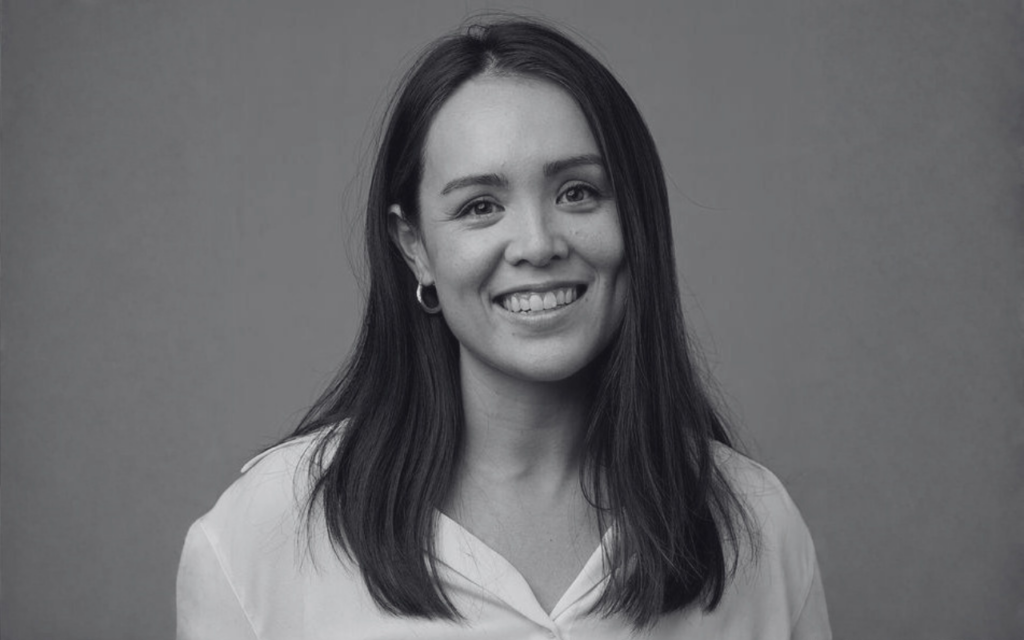
Jacie co-founded The GIST after noticing how excluded women felt from traditional sports media – and turned a side project into a growing sports platform.
1. The best ideas come from lived experience
“We grew up as athletes. We loved sports, played a ton of different sports at a competitive level and at a recreational level. And it was interesting, because I found when we switched to being in Toronto, and being in that really corporate environment, sports didn’t feel as much a part of our lives, and that was from a participation standpoint, and actually playing, but also from a sports fandom perspective.
In each of our workplaces we saw how sport is this amazing thing that brings people together like nothing else. But at the same time, when you’re a female-identifying fan, it’s really easy to feel on the outside of that sports conversation or on the outside of that sports community.
Unfortunately, it still can feel like this boys’ club or intimidating space. And that’s coming from myself and my co-founders, who again, grew up playing all these sports. So, we wanted the premise to be making sports content more accessible and more inclusive.”
2. You’ll hear a lot of “no’s”but don’t give up
“Even in 2018, when we were pitching the concept of The GIST, whether that was to investors and these startup accelerators or to some of the big traditional sports media players, there was absolutely not the reception that we get today.
We got tons of feedback that there was really not a market for this, or it was just so so niche, which is really interesting, because 50% of the population is female. And we’ve seen that there’s just so much interest from women in sports, like in a myriad of ways, but certainly in the early days it was a total slog. I think now it’s very easy to assume that we’ve been on this upward trajectory, but we got a lot of feedback in the early days that was certainly very discouraging.”
3. You need people around you – building alone can be the hardest part
“We’ve also been really fortunate to be a co-founding team and the three of us are such close friends that I do think that really helped us get through it. I have so much admiration for solo founders, and particularly solo female founders, because we all lean on each other so, so much. And I think especially in those early days, when we were getting a lot of that pushback, it would have been incredibly difficult to persevere through that and see the bigger picture.”
Tania Yan – Founder of Olive & Piper

Tania turned a side idea born out of creative frustration into Olive & Piper, a jewellery brand that started in her bedroom and grew from there.
1. Many businesses start from feeling creatively stuck, not strategically planned
“I was kind of at a crossroads and feeling quite creatively unfulfilled. Because I was working in an e-commerce space, I was thinking, wouldn’t it be fun to try to have my own little store online? Just something on the side, for fun, that I can sell things here and there – make it really scrappy, like a very small business from my bedroom – and let’s see how it goes from there.
So I really ended up, out of frustration with what I was doing, wanting to get out and do something. I don’t know – I just got to that point, that threshold where you’re like, okay, this is enough. And I just made that decision to leave.”
2. Starting often means stepping into instability before you feel ready
“I would never look at myself as a confident person. And I think today, too – and maybe it’s imposter syndrome – I still have moments where I’m just like, I don’t know what I’m doing.
I think it was a circumstance, and everything was in the right place at the right time, and how I felt really pushed me to do it. But sometimes I think back and I’m like, oh my gosh, I must have been insane. I don’t know if I would do that again, looking back, because there were so many risks involved. I mean, it probably is the most courageous thing I’ve ever done.”
3. The beginning is messy, and that’s normal, not disqualifying
“Regardless of what it is, you should start. It doesn’t need to be perfect.
I think a lot of people feel like, “Oh, I have to have this business plan, I need to know exactly what the website looks like, the marketing has to be perfect.” You don’t.
Once you start moving, you’ll learn a lot of these things. That’s how I figured it out – it was a lot of trial and error building this business, and a lot of “what the hells,” like, I don’t know what I’m doing. And sometimes I still feel that way. But you’ve got to cross that line and just get started.”
Jenn Harper – Founder of Cheekbone Beauty
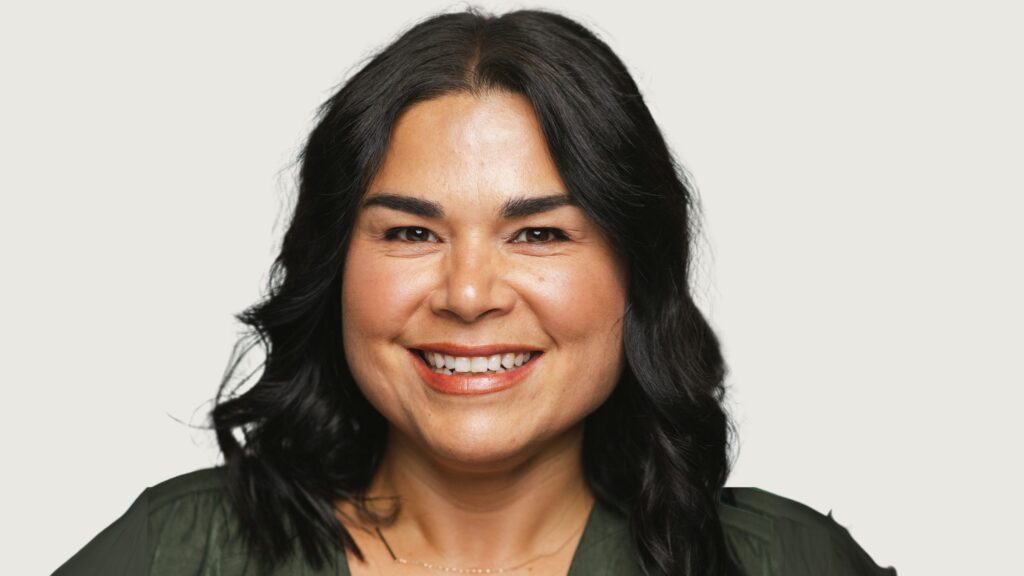
Jenn founded Cheekbone Beauty after what she describes as a dream that set her on a completely new path, eventually building one of Canada’s most recognized Indigenous-led beauty brands.
1. Purpose is what carries you through uncertainty
“Back in January 2015, I popped out of bed in the middle of the night and wrote down this dream, which was to, at the time, create a lip gloss. From there, I spent the next couple of years just diving into a new industry.
I was learning about the incredible beauty of my culture and my family’s history, but also the trauma that went along with that. I was enamoured with this idea of representation and firmly believed that the world needed this more than ever. This kind of brand didn’t exist in the world, and I really felt it was important for the next generations.
I think it’s really important to understand the passion and why the business exists. Without that, we would not be where we are, or I probably would have given up a long time ago.”
2. Preparation doesn’t always come from experience – it comes from commitment
“I spent two years before launching the brand reading over 100 books on business and entrepreneurship in the beauty industry and marketing and financial strategies. At the same time, I was also reading books that really spoke to my culture because what I recognized early on was that really one of our unique positions in this competitive market would be this authentic vantage point of bringing a brand into the world that was really doing this through an Indigenous lens.”
3. The strongest businesses are deeply personal
“My personal story and journey plays such a big role in the brand. I had newly become sober, and so I had all of that battle, but then to have this dream and discover my next path was incredible.
I always say Cheekbone has been part of my personal healing journey. I wasn’t striving for perfection when we were ready to launch, but then tragedy hit my family. Losing my brother, BJ, to suicide just before launching was the most painful experience. I’ve since lost another brother to drug addiction, but I knew that that became the why. After losing my brother, it became so evident to me that I was never going to give up on it.”
Emma May — Founder of SophieGrace
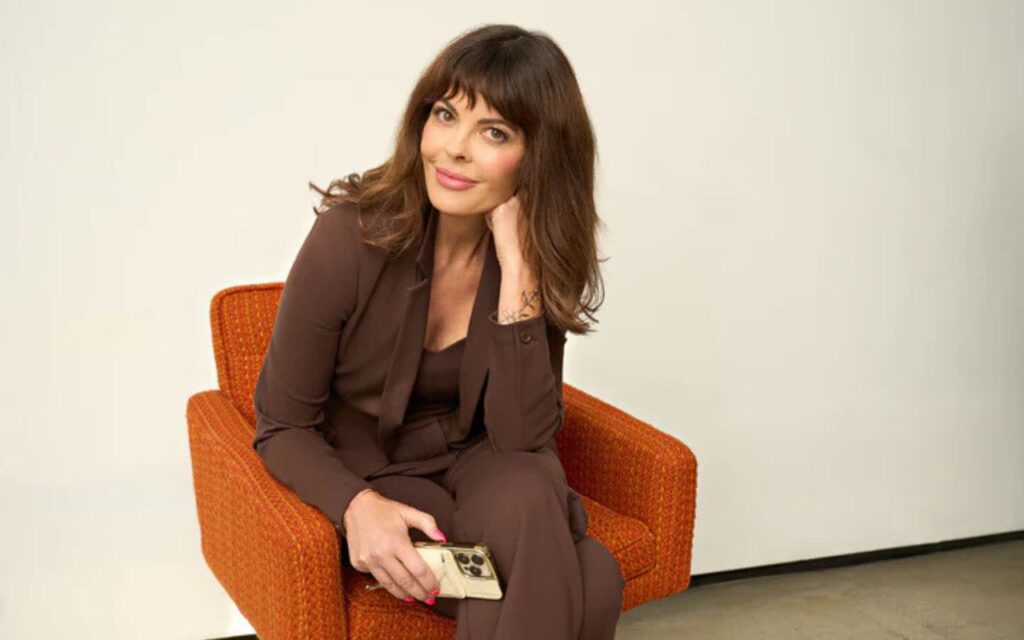
Emma built SophieGrace after a long career in law and real estate, eventually creating a modular women’s workwear brand rooted in simplicity and function.
1. Sometimes the decision to start is more instinct than plan
“I knew I wanted to do it, and in hindsight, I’m not sure I would have started if I’d fully understood all the hurdles and what it was going to take. But I knew I wanted to do it, and then suddenly it was like, “Okay, to get to the next stage, you need to take out a line of credit for X dollars and order 32 boxes of inventory to do this at the scale you want.”
That was a real decision-tree moment where I thought, “I just have to do this and trust that my margins are strong, trust that I can market it, and trust that I’ll figure it out.” I’d love to say I had a perfectly executed financial model before I started, but the reality is I didn’t. I have a really good one now, but back then I kind of just went for it. And honestly, that might be the only way to do it, because I’m not sure you’d ever start if you knew everything.”
2. You’re going to face external pressure – but know your North star
“Sometimes speed and excellence don’t go hand in hand, and there’s pressure to execute at a certain pace. At the same time, you have cash flow requirements. You have to keep up with the pressure to continue making sales and performing.
So for me, it’s this constant tension between the business side – margins, marketing, spend allocation, operations, and maintaining a clear strategic perspective – and the creative side. That creative side is about innovation, diligence, testing, and really drilling down to make sure you’re delivering at that level. Those are the tensions we work through every day: how do we deliver on all of it?”
3. Know your strengths, and build a strong team around you
“What I’ve learned is that I need to work very closely with a certain kind of person – people who work well with me. Over the years, I’ve realized I work extremely well with very detailed people who aren’t necessarily big-picture thinkers or the ones coming up with concepts and ideas, but who have a strong ability to dig in and execute.
When I look back over my career, the moments where I’ve had the most success are when I’ve been paired with someone who’s the yin to my yang. That’s when I execute really well – when I can clearly hand off certain parts of the work and take ownership of the parts I’m best at.”