
Losing our parents is an expected part of life. It’s the way things should be – adult children bury their elderly parents. It’s so normal that no one really talks about how we navigate the grief that comes with the loss of our longest and potentially most difficult relationships. Friends don’t ask, partners assume, colleagues carry on as usual.
Every day, I kind of miss my mum and wonder what might have been if we’d ever gotten along well; if we’d been friends. Every day, I grieve for how hard her life was and what a difficult daughter I was. But still, every day, I have conversations with her.
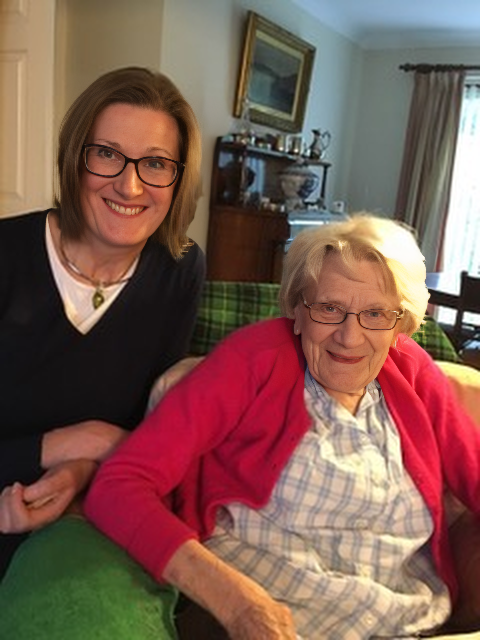
My father died when I was 12. Mum never really recovered and perhaps I didn’t either because I can’t talk about losing him without my eyes smarting and my nose pricking. I can’t begin to imagine what it must have been like to bury the love of your life, raise a difficult, hormonal pre-teen, and manage her own menopause. I wish things could have been different, or if they couldn’t have been different, I wish I had been.
She lived more than twice as long without him as she had with him, and I’m haunted by how precious life is and how that could be me. She was outgoing and friendly, so her investment in others paid out as people who loved her were there as support.
My friendship circle, in comparison, is small and dispersed – if I lost my beloved, I’d be quite alone.
Finding my grief
I turned my husband’s and my life upside-down to move closer to my mum in her last years. They were hard years of looking after her, navigating COVID, doubt, perimenopause, and my work in healthcare.
When she died, there was so much to do. Her death was one of the worst I’ve experienced because the meds didn’t stop her pain or help her breathing; I was angry because of that. I’m an only child so everything fell to me. Telling friends and family, arranging the funeral, choosing her clothes, choosing the coffin and the words for her headstone, clearing the house, arranging probate…it went on and on and my grief got missed off the list of to-dos.
When I closed my eyes, I could see it somewhere. It was behind a blue door down a long corridor and somehow, as in a bad dream, I couldn’t get to the door. Later, I couldn’t see it anymore. Did that mean the grief had gone? Had I grieved and not noticed?
Appreciating the memories
Just when I think I’ve passed through the heartache and life can wobble forward more steadily, something upsets the momentum.
This week, it was her plastic watering can sitting on my kitchen windowsill. I had a sudden flashback to her overwatering a precious orchid, and the tears came. No one was around, so they quickly descended into ugly crying.
But, the heavy days become fewer, and there seems to be more peace than turbulence. I can look at her furniture in my home and not see her there. I can go to the supermarket and not think, “I should get some bread for Mum.” I can hear something on the radio and think, “I must tell her. She’d be interested in that,” and smile.
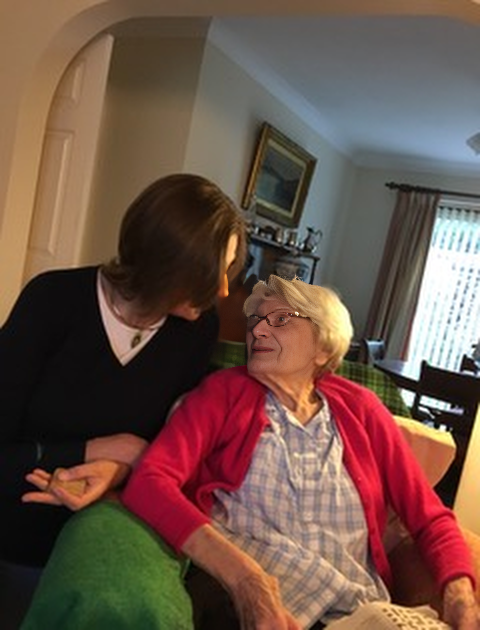
I’m not stronger, wiser or better because of my loss, but I am at peace. Mum and I get along much better since she died.
I promised myself, in the years before her passing, that I wouldn’t regret anything I did in caring for her, because I was doing my best with the information I had available. She had always done her best for me, and now it was my turn to do the same for her.
Permission to let go of any toxic regret has been crucial.
Now, I hear her voice when I’m pulling a weed in the garden: “Ooh, it’s a real brute, isn’t it?!” Or when I’m sewing: “That’s lovely, darling. Well done.” And as my husband and I build our new home: “It’s going to be wonderful. You are lucky.”
I feel settled inside, knowing I walked her home and kissed her goodnight. And I realise I haven’t passed through grief; it is passing through me.

Elspeth Raisbeck