This is a personal account and not medical advice. If you are considering using cannabis for any ailment, please speak with your primary care provider.
I lost myself for four-and-a-half long years and tried everything to find myself again.
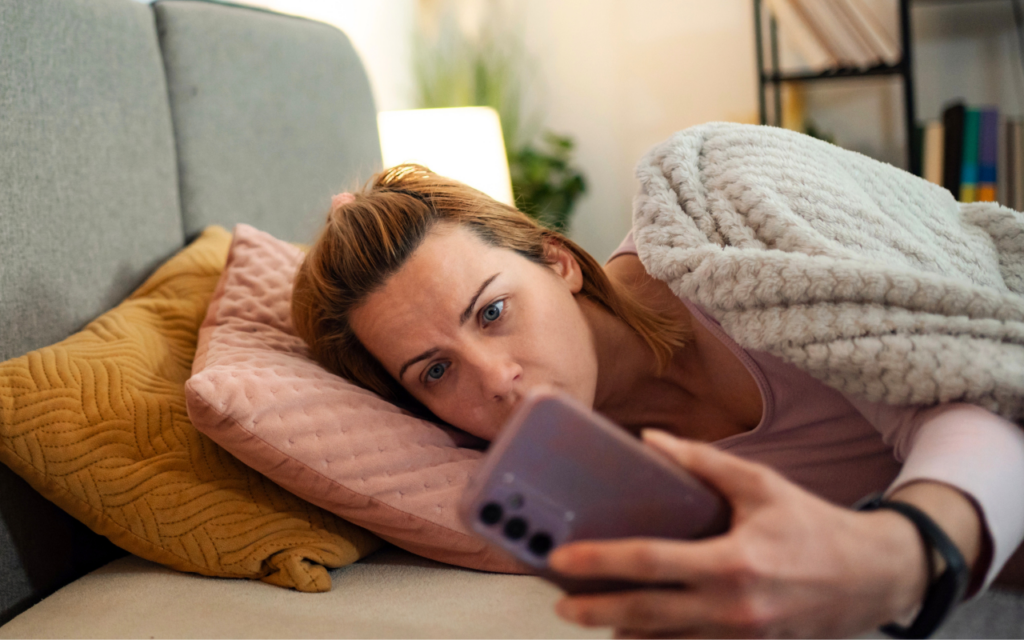
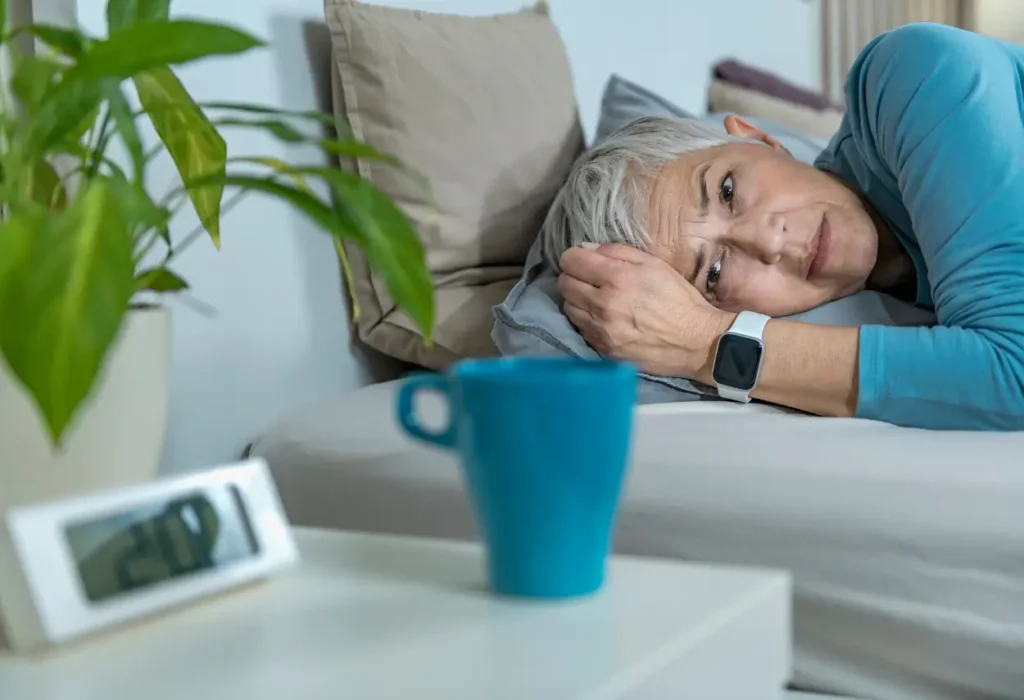
Insomnia robbed me of so many things: my energy, my confidence, my patience, my mental health, and more. I had insurmountable fatigue; aching joints and muscles (sleep deprivation increases inflammation in your body’s tissues); likely depression (it was never formally diagnosed, but I’d been there before and recognized the signs); weight gain (insomnia disrupts our natural appetite-regulating hormones); and easily triggered anger at things that weren’t worth being upset about.
Was the insomnia caused by hormonal changes in the long preamble to menopause? Maybe. Was stress a factor? Probably. Were there other, unknowable contributors? Most likely. Insomnia is a complex health condition, which is what can make it so challenging to address.
So, I did all the things. I cut out caffeine. I ensured I was following proper sleep hygiene. I talked to my physician and started with the mildest or most natural remedies: melatonin (doesn’t work for everyone, including me); over-the-counter sleep aids (ditto); and antihistamines, which can have a sedating effect (not for me). I debated CBD, a non-psychoactive component of cannabis — and even went to a CBD clinic for a consultation, but ultimately decided to try a sleep clinic first.
At the sleep clinic, no issues really stood out and I was prescribed gabapentin, an anti-seizure drug that has off-label use for insomnia. At first it seemed to be a miracle cure, until I recognized I was drowsy until noon and wanted to go to bed by 6 p.m. — both of which were an improvement, a testament to just how sleep deprived I was. I tried hormone therapy, which again works for some, but it didn’t help my sleep issues and also caused a host of uncomfortable side effects. I tried cognitive behavioural therapy (nope, which suggests a physical rather than psychological cause). And I tried a prescription sleep aid, which offered some relief but wasn’t a cure-all and wasn’t something I wanted to continue long-term.
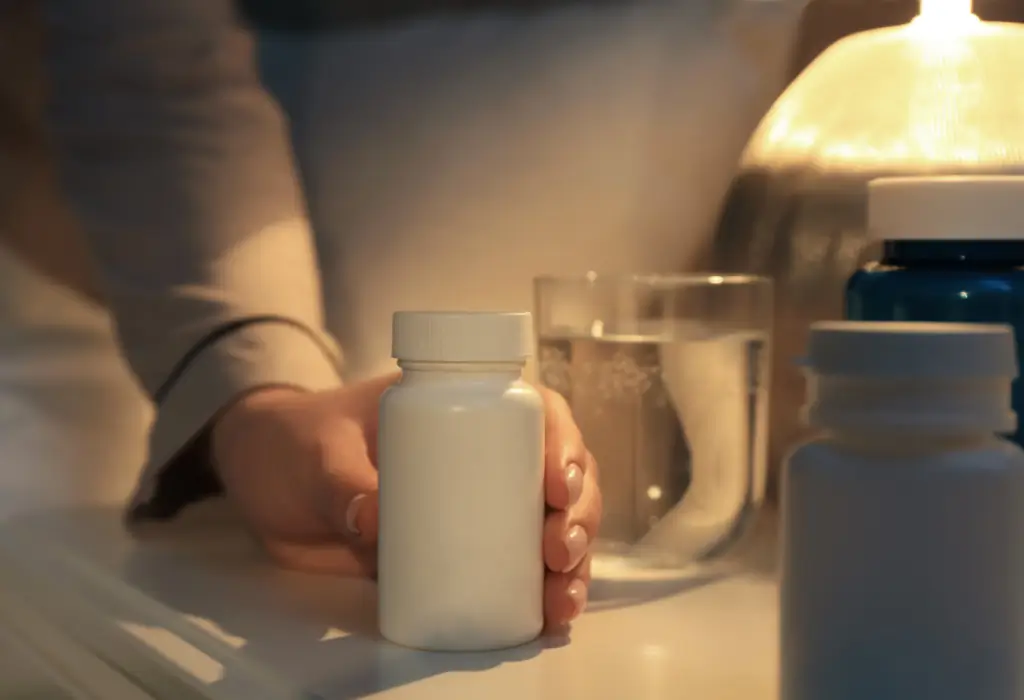
Cannabis was my last resort
I was about ready to give up and relegate myself to the ranks of the walking dead. Then I tried cannabis. A friend had suggested it years earlier, but at that time it wasn’t yet legal in Canada and still had significant stigma attached to its use. So, I resisted — I had never tried drugs of any kind and had, by then, even quit the bit of social drinking I once did. But I was at a loss, literally and figuratively. What else did I have to lose?
I researched cannabis for sleep, I talked to friends who used it recreationally, and I spoke with my physician. We both agreed that there’s little evidence it would cause me any harm if used long-term at low dosages, and that any possible negative effects would likely be far outweighed by the damage insomnia was causing to my mental and physical health.
I settled on a hybrid-strain, softgel capsule which contains doses of both THC — tetrahydrocannabinol, the psychoactive component of cannabis — and CBD. That first night, I slept like I hadn’t in years. Within a few weeks, I felt like ME again.
Will cannabis ‘cure’ your insomnia?
In short, no, because it’s not really a cure — I use that term because that’s how it feels. There are still nights when I don’t get a restful sleep, although not often. And when I occasionally stop taking cannabis, just to see what happens, the insomnia comes back with full force — whatever is causing it hasn’t been resolved, but given its debilitating, devastating effects, I’ll keep taking cannabis for as long as I need to.
Cannabis isn’t for everyone. It can affect people differently, and you may not like the effect it has on you. Talk to your primary care provider and if you both agree it’s right for you, start slow.
It does cause impairment, so if you have dependents of any age at home, consider whether there’s someone else they can rely on through the night if needed. And be aware that, like alcohol, it takes time to clear your system. If I need to be driving somewhere less than eight hours after I would normally take cannabis, I shift the timing, arrange for someone else to drive, or don’t take it at all.
However you approach your insomnia, don’t give up. There may be something out there that works for you, too.
And if you don’t have insomnia, protect your sleep at all costs, for the life-giving necessity it is.
Dawn Huddlestone