
A long-overdue shift is happening in sports – and women are at the centre of it.
Attendance is breaking records, broadcast deals are growing, and what was once treated as a side story is now commanding main-stage attention. Women’s sports aren’t “emerging” anymore. They’re proving their value, their audience, and their staying power.
This moment didn’t happen by chance. It’s the result of years of work by women who have been building leagues, pushing for visibility, and demanding the investment their sports deserve.
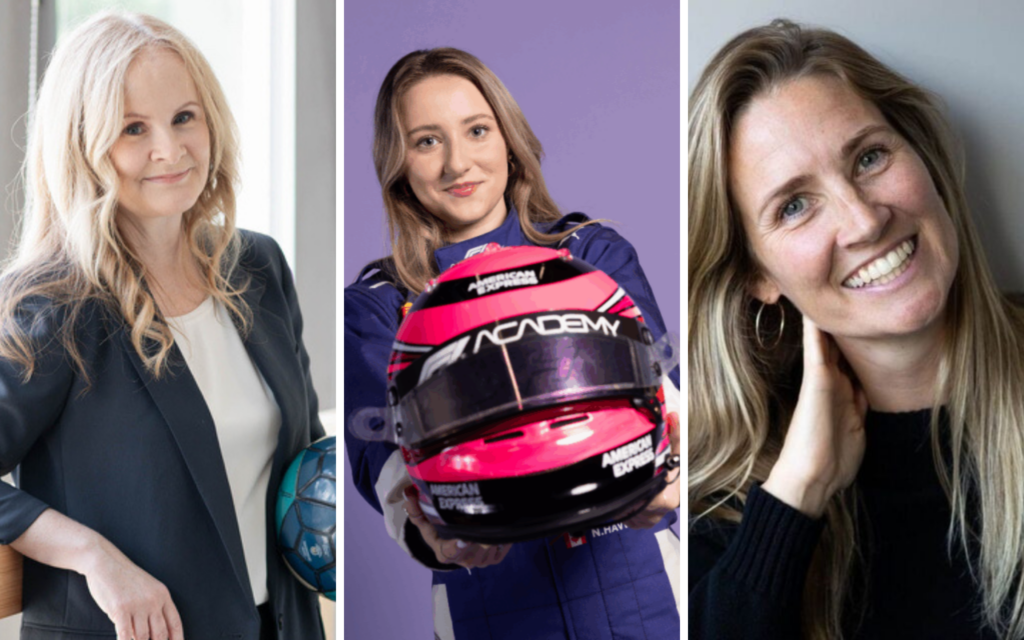
On The Honest Talk podcast, we’ve had the privilege of speaking with some of the women helping drive this change. Here are three of their voices on what this moment in women’s sports really means.
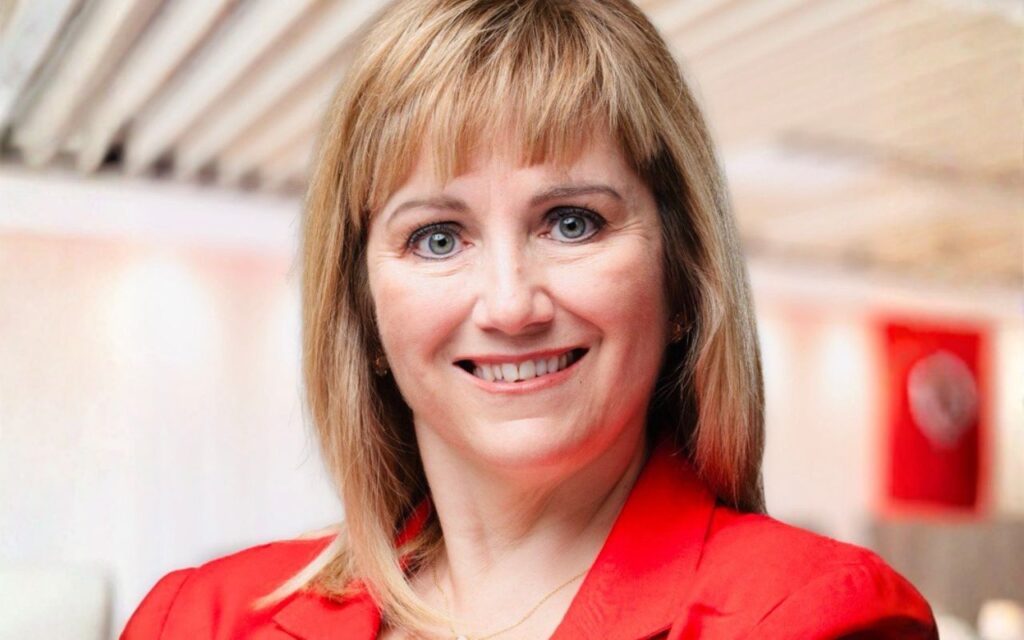
Christina Litz
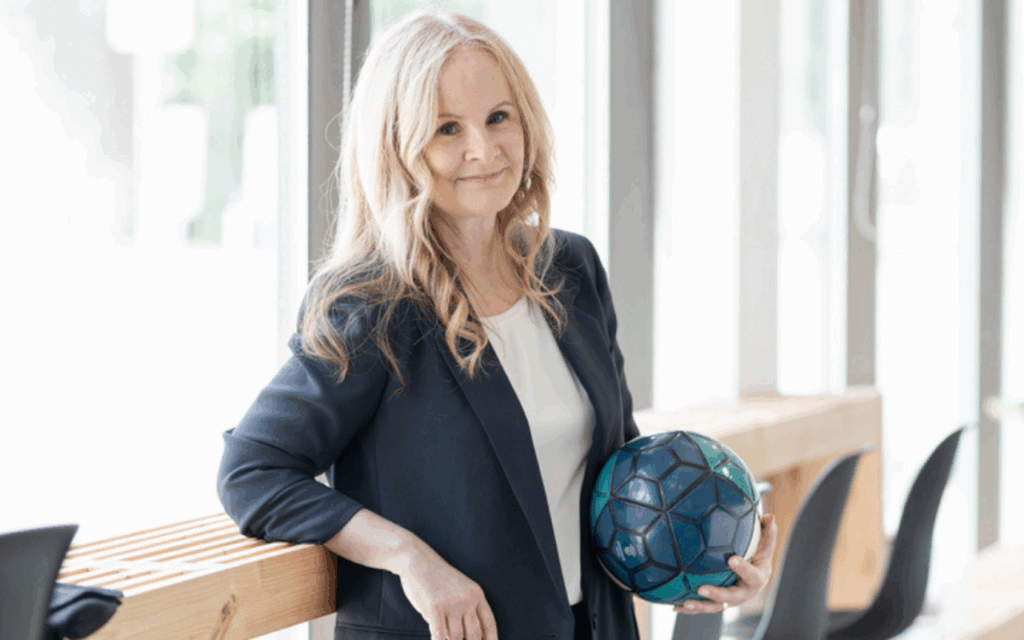
Christina Litz is the first-ever president of the Northern Super League, Canada’s pro women’s soccer league. Before taking the helm at the NSL, she held senior roles at a few other big sports organizations, including the Canadian Football League (CFL). The league kicked off its first match in April 2025 and now has six teams, with plans to keep growing across the country.
On keeping girls in sports: “It takes many stakeholders and participants in the system. I think we’re a big part of that. Again, you know the whole “if you can see it, you can be it” idea – having role models out there who are telling their own stories about adversity and what they went through. I guarantee you, every single woman who has played pro sports has faced adversity. It also takes one or two key people – coaches, teachers – at that very personal level, to encourage and guide. Families play a role in providing opportunities and serving as role models, and it takes community and corporate support to break down barriers for girls, especially in terms of affordability.”
On facing adversity: “I’ve definitely faced challenges in my career – on the entertainment side, the legal side, and certainly in sports. There are still outdated notions about having women in many of these industries, and there’s definitely more work to do. I would say it’s getting better in the sports business side, but we still have a long way to go in professional sports when it comes to giving women more opportunities in operations roles – like coaching, scouting, and training – in both men’s and women’s leagues.”
On the growing fanbase: “Well, the truth of it is that women’s sports has been active for decades. I always say it’s taken 30 years for the WNBA to be an overnight success. We’ve had incredible players on the women’s sports side playing for many decades. Our Canadian Women’s National Team on the soccer side is no exception to that, we just weren’t able to see them other than at the Olympics or World Cup every few years. I think the difference in the last few years is that the systems that surround the business of women’s sports have finally realized the opportunity around fandom and the business in the last four years.”
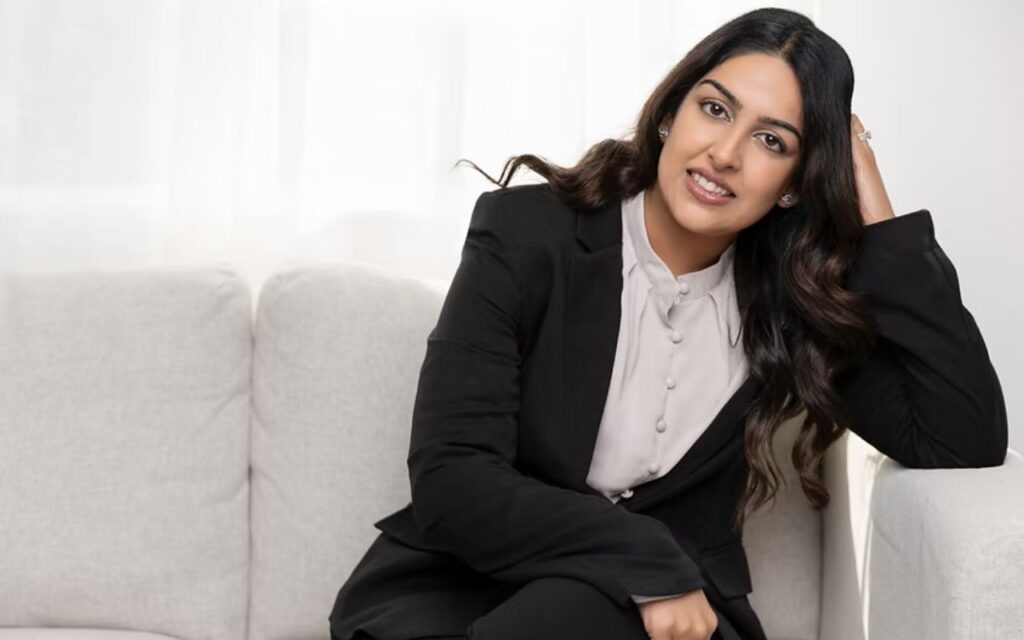
Nicole Havrda
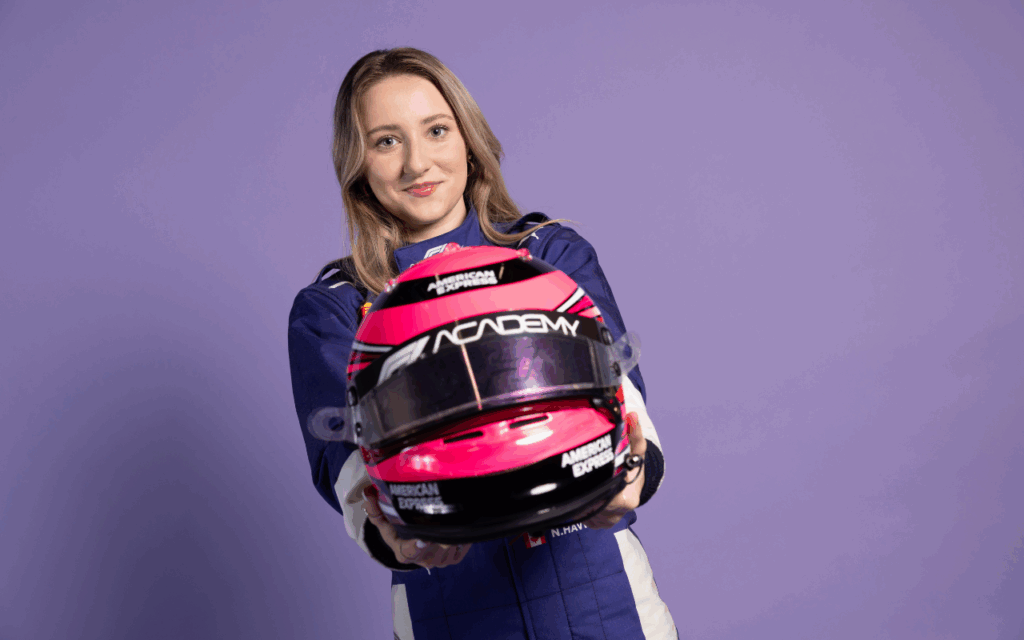
Canada’s Nicole Havrda is burning up the race track for F1 Academy here at home, but also right around the world. She is a rising force in motor sport, she’s a young driver, she’s very fast, and she is breaking expectations for women in racing.
On being in the spotlight: “There are also so many eyes on us now. At the Montreal race, the grandstands were packed, it was crazy. Normally during support races, people take a break, head to the fan zone, grab a drink or something. But this time, people were staying, sitting down and actually watching the Academy race. That felt unreal. It’s grown so much, especially with the new Netflix show on the F1 Academy. It’s brought a lot of attention, and with that comes a lot of media, a lot of marketing, and just a lot happening all at once. There’s so much going on – it’s exciting but definitely overwhelming at times.”
On dealing with imposter syndrome: “I’d say the biggest challenge – and one I still face, like many racers – is the mental side of the sport. Yes, there are physical demands, like the high G-forces and overall intensity, but racing is incredibly mental. Getting past those internal barriers is tough. When I first got to F1 Academy, I remember thinking, ‘Do I really belong here?’ It felt so big – like, this is the world stage. If you’re not careful, it’s easy to fall into a spiral of ‘I don’t belong here, I’m not good enough,’ and all that self-doubt.”
On advice for young athletes: “I’d say the biggest thing is enjoy the moment. Sometimes I struggle with living in the present, and it kind of sucks. I forget about things that happened, and I don’t enjoy them as much as I should. Have fun. Embrace whatever comes your way. It’s such a male-dominated sport, so every time we push through those boundaries, we’re showing other girls that they can do it too.”
Sinead King
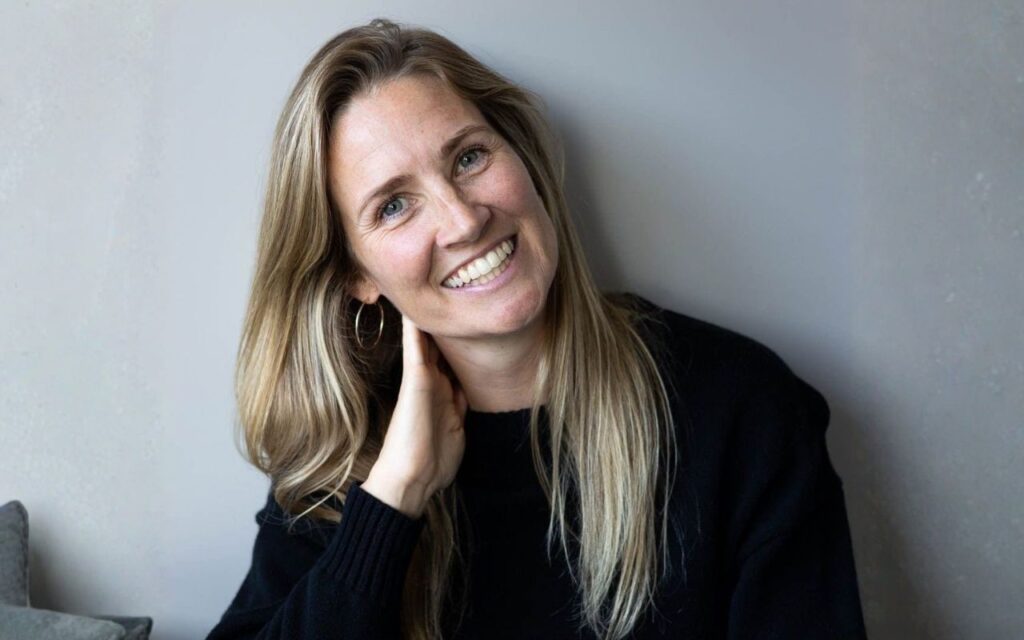
Sinead King was the first president of Vancouver Rise FC, one of the six teams in the Northern Super League. Under her leadership, the Rise took home the NSL championship in 2025.
On the rise in popularity of women’s sports: “I think because I came from the generation – much like yourselves – where we didn’t see a future, we have such deep appreciation for how much it’s changed. There was a time when people didn’t believe this could happen. And now, we’re living it. Every woman – and so many men who’ve supported us – can say, ‘We were always here. This was always viable. This was always going to create economic value.’ To be living it and seeing the success of it, and knowing we’re just at the beginning, is incredible. This is only the precipice of its potential. I’m excited, motivated, and really proud.”
On maintaining the momentum: “It’s so important that people recognize we haven’t reached the end point yet – this is just the start. Fans need to come to games, watch on TV, talk about it, buy tickets and merchandise – that’s how we validate that this is real and sustainable. We also need patience. We’re playing catch-up – about 50 years of it. The men’s professional sports ecosystem has had decades of investment: in broadcasts, sponsorships, stadiums, grassroots development, coaching, refereeing – all of it. We’re just building that now. The more we invest today, the faster we’ll grow, and the better the product will be in five or ten years.”
On advice for young girls wanting to work in the sports industry: “So my advice would be: Work out what fuels your passion, even if you don’t know exactly what that looks like right now – I didn’t until I got here. Figure out your core skills, and put yourself in environments where you can grow them, but also be challenged. Learn what you’re not good at, too. And don’t be afraid to change. You don’t have to have it all figured out. It’s okay to take risks, to pivot, to realize something isn’t right for you – as long as you’re doing it with intention and purpose.”