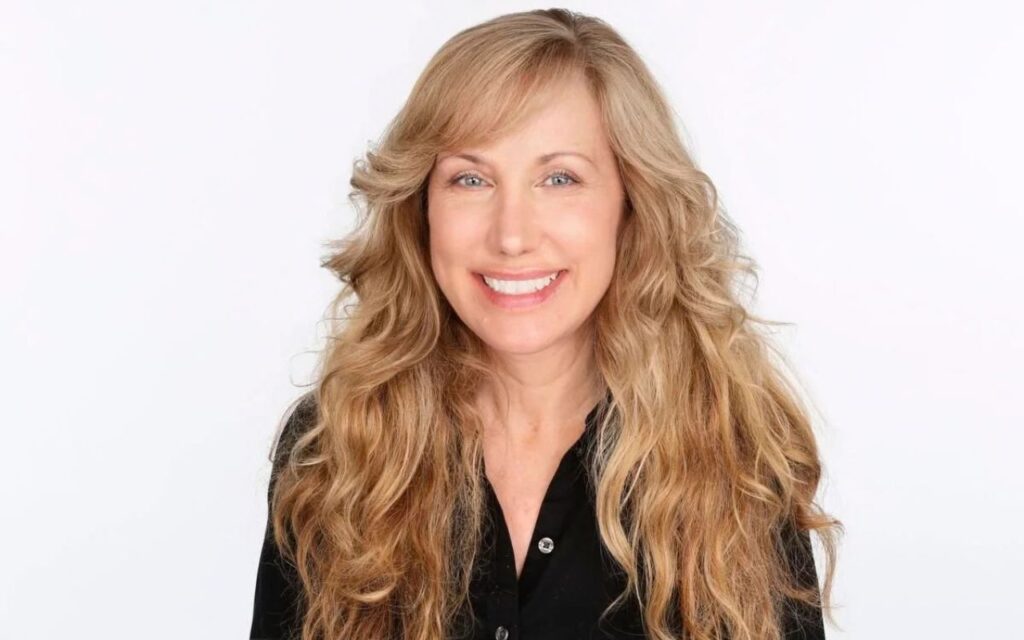
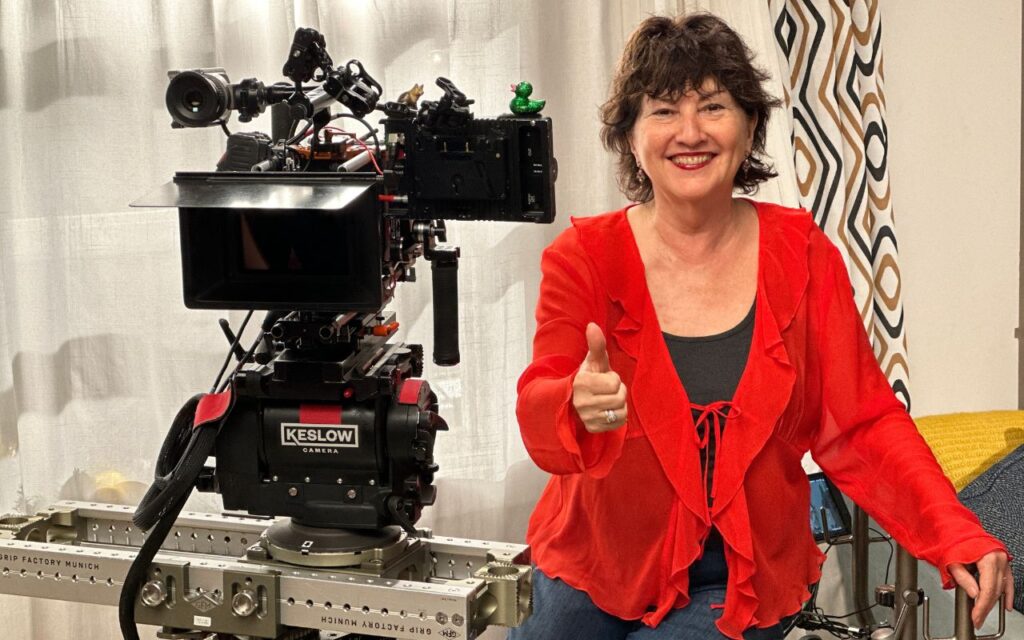
Gail Harvey didn’t start out thinking she would become an award-winning director of documentaries, movies and television series.
She was studying early childhood education and planned to work with at-risk children when a backpacking trip through Europe with her boyfriend tipped over the first domino in what would become a lifetime of reinvention.
That trip sparked something bigger than a desire to travel. Harvey became fascinated with documenting what she saw – and was soon chasing one creative pursuit after another.
Decades later, Harvey would find herself directing major television series, including Netflix’s Virgin River, and working with some of the biggest production companies in the world, like HBO, Sony and CBC.
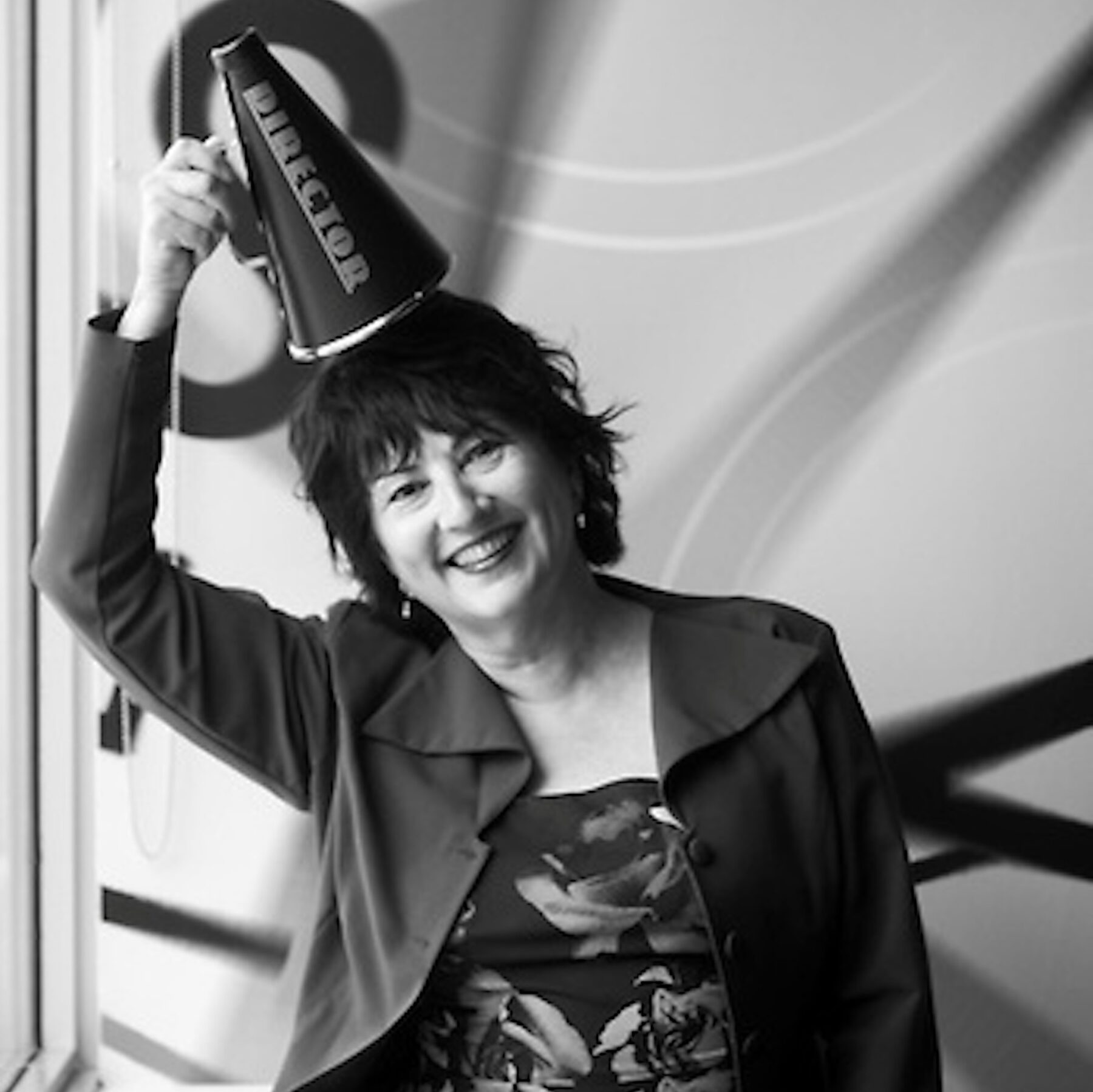
She has also produced award-winning films and documentaries through her company, Straight Shooters Productions.
But instead of a tale of overnight success, Harvey’s story is one of constant evolution, growth and a willingness to follow her instincts.
A roll of film & a Canadian icon
Long before Hollywood sets and film festivals became her reality, Harvey worked at a group home for “emotionally disturbed” children, sang backup for the Canadian band Crowbar, and worked as a Wardair flight attendant – a job that helped launch the next phase of her life.
With her first Wardair paycheque, Harvey bought a Pentax camera at a duty-free shop in Barbados and started taking photographs and selling them to newspapers back home, including the Toronto Sun, Globe and Mail and Toronto Star, as well as major American publications.
Nothing – not even sleep – could stop her passion for taking photos.
Harvey remembers shooting all day for the Toronto Sun, then going home and putting on her Wardair uniform before stopping back at the newspaper to process the photos on her way to the airport.
A colleague once spotted her in the darkroom and asked, “Oh, are you doing a story on being a flight attendant?”
And she replied: “No, I am a flight attendant.”
“I had a lot of energy back then, I guess,” Harvey laughs.
Her freelance work eventually led her to become the third woman ever hired as a photojournalist by United Press International, which later expanded into Canada under the name United Press Canada.
In that role, she covered big stories, including being sent to Turkey to cover the “Canadian Caper,” the covert operation to evacuate six American diplomats from Iran in 1979 by Canada’s government.
Then came Terry Fox.
While working at UPC, Harvey decided she wanted to cover the whole Ontario portion of Terry Fox’s Marathon of Hope. When the agency declined to send her, she went anyway, using her days off to capture what would become some of the most lasting and recognizable images of Fox’s journey.
Those photographs later caught the attention of HBO while the network was preparing to shoot The Terry Fox Story in Toronto, when Harvey was hired to shoot still photography on the film – another major turning point in her career.
“It was huge for me,” she says. “I was getting $350 a day – in 1982!”
More high-profile film work followed, including being hired to shoot stills on productions starring acting legends like Elizabeth Taylor and Carol Burnett.
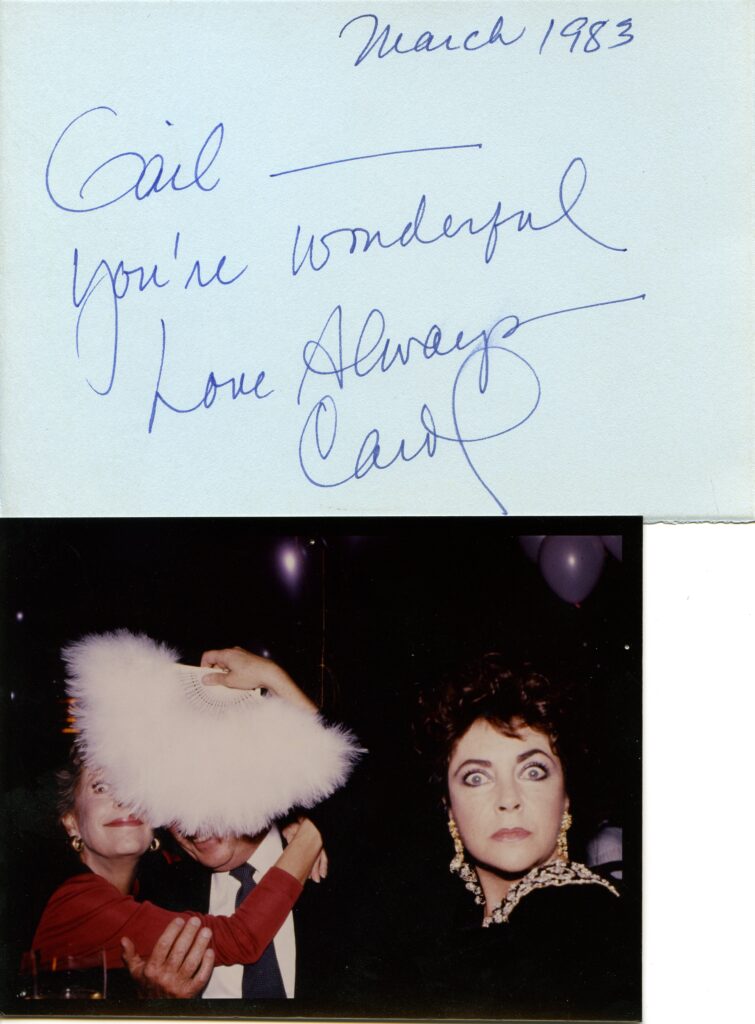
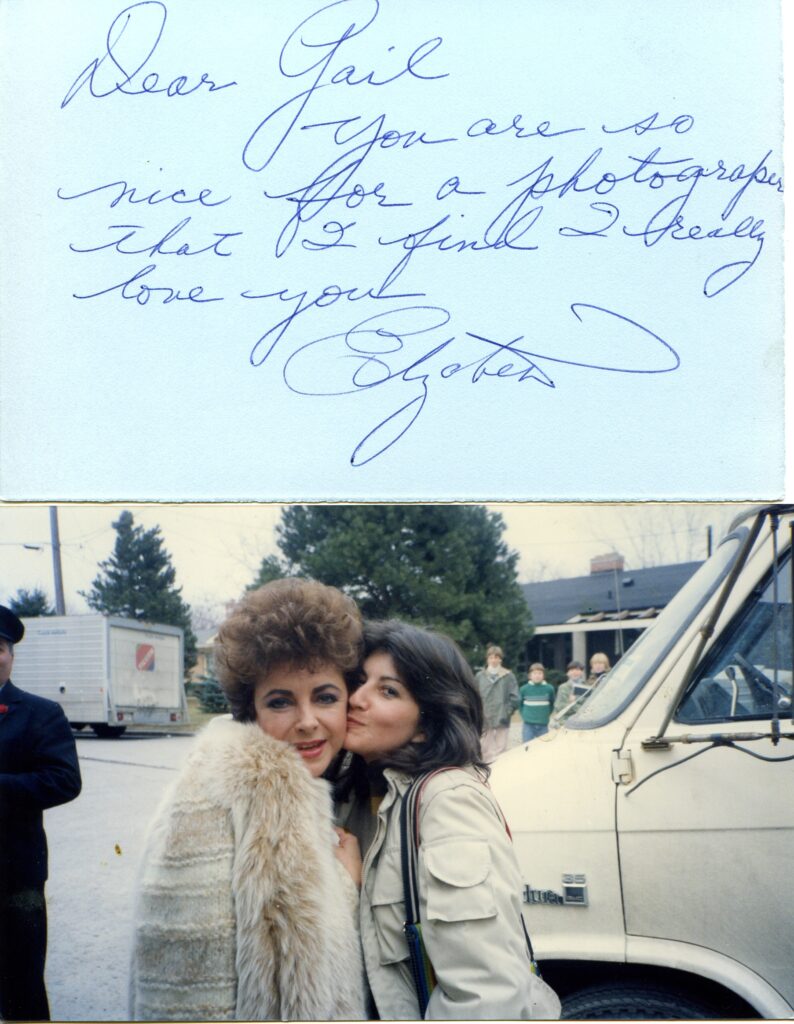
“And then, once you’ve worked with Elizabeth Taylor and Carol Burnett, people just start hiring you,” Harvey says understatedly.
But working on the set also changed something for her creatively.
She realized “that directing is very similar to still photography,” she says. “You’re working with people and setting the scene.”
As she photographed productions, Harvey got to see how all the best directors worked, and she soaked it all in.
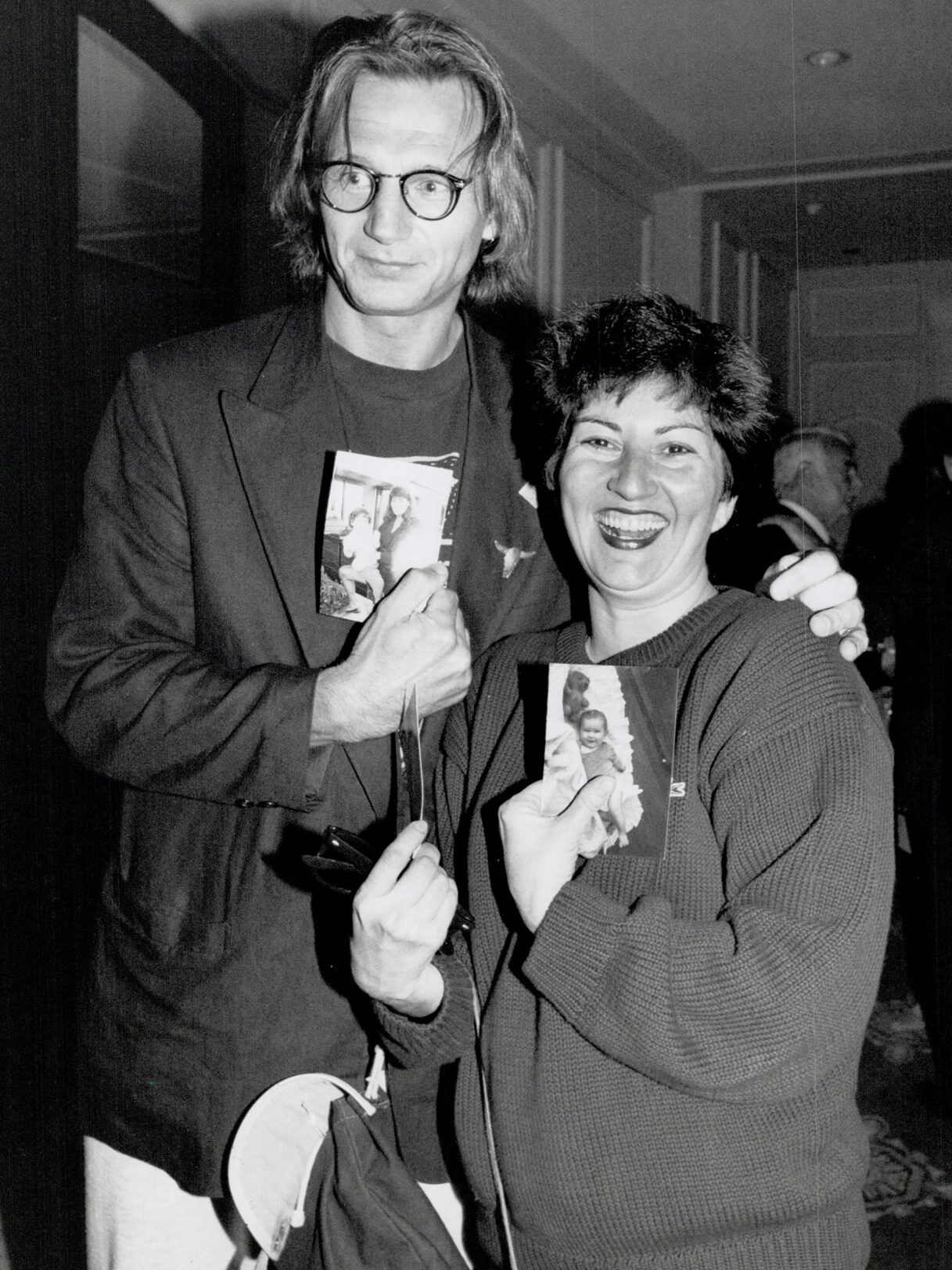
Then, one day, Canadian director Phillip Borsos looked through Harvey’s still photographs from the set of One Magic Christmas and told her, “You should be a director, because your pictures tell the story.”
He encouraged her to apply to the Canadian Film Centre, founded by famed director Norman Jewison, and she was accepted during the school’s second year in operation.
By that point, she already had her own film debuting at TIFF: Uphill in a Wheelchair: The Wayne Pronger Story, a documentary about a composer with cerebral palsy, which she submitted to the school as part of the application process.
She quips that she went into that school as a photographer and came out as a director.
A woman in a man’s world
Breaking into directing, however, proved just as difficult as breaking into photojournalism had been.
Still, Harvey carved out a career in an industry where women directors were rare – and she did it all with her signature sweetness, warmth and charm, even though that sometimes worked against her.
“I literally didn’t get jobs because they said I was too nice,” she added.
But Harvey believes her warmth ultimately became one of her greatest strengths as a director.
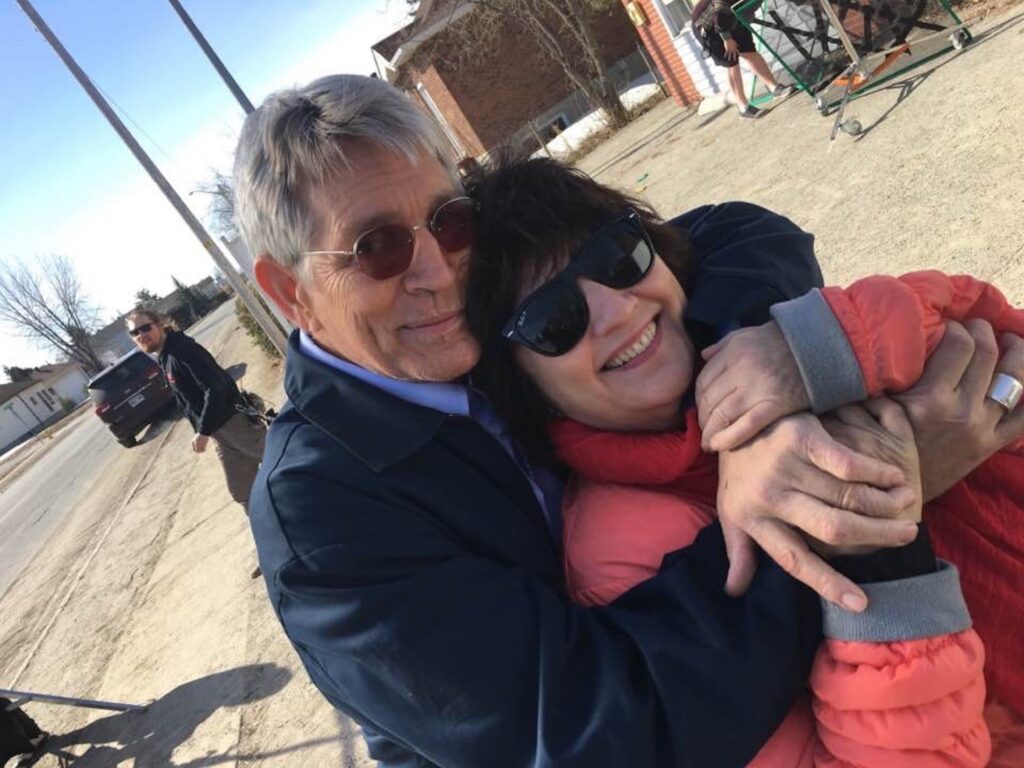
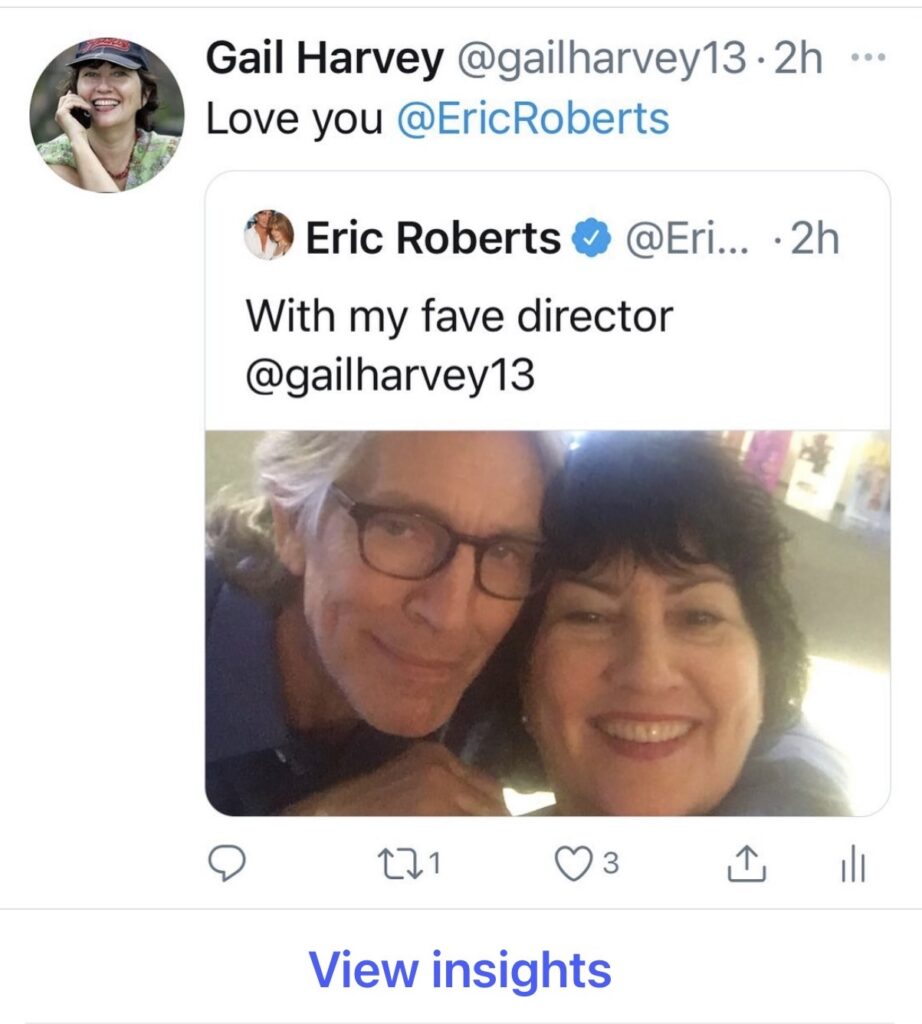
“It’s like sculpting emotions,” she says of directing. “Actors and directors have to trust each other. It’s like a friendship.”
She traces some of those instincts back to childhood.
The daughter of country singer Larry Harvey, who battled alcoholism, and a mother who struggled with bipolar disorder, Harvey says she learned early on how to read people and take control.
“I always say I got the perfect job because I was running the show when I was a little kid,” she says. “It was tough. But it made me very capable.”
The fight continues
So, is it any easier for women in the business now than when she rose up the ranks?
Her daughter, actor and filmmaker Katie Boland, spoke about that progress while accepting a Canadian Screen Award for Best Direction in 2025, five years after Harvey won the same award herself.
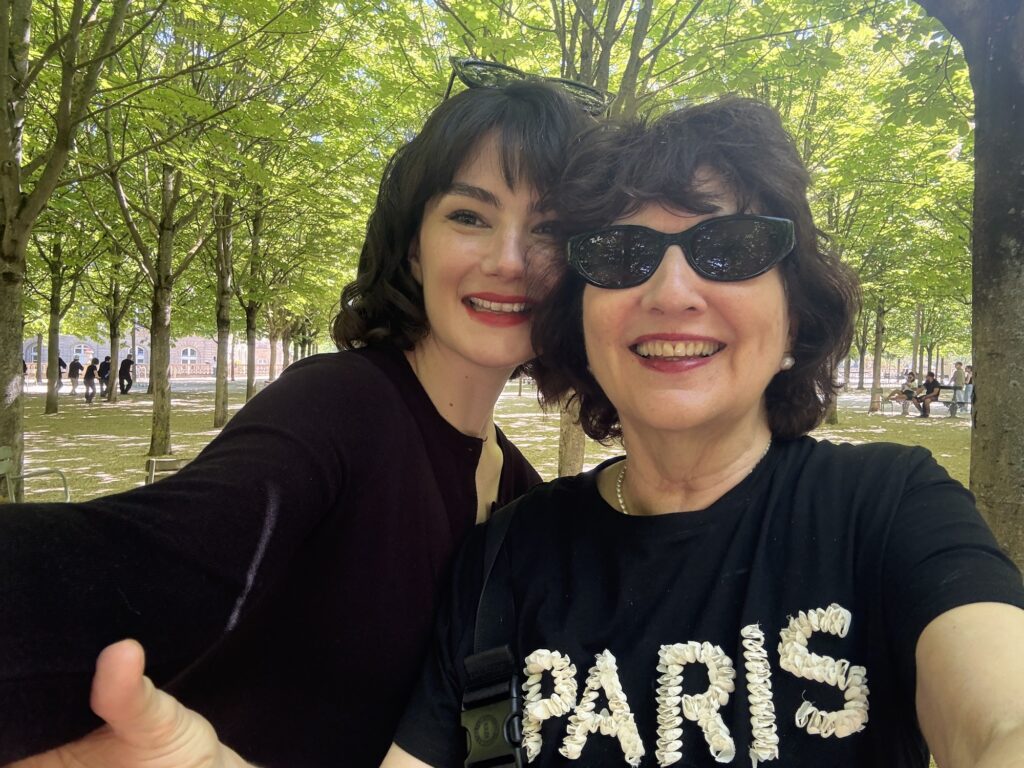
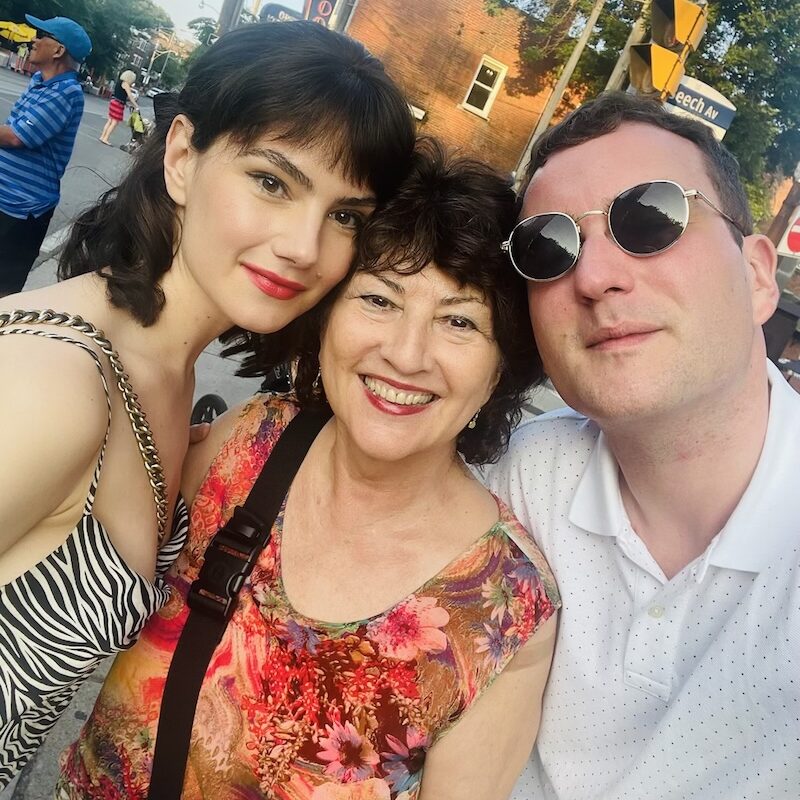
Boland thanked her mother and the generation of female directors who “broke down the doors” that younger women are now walking through.
“It’s different now because there are more women directors,” Harvey says.
Still, not all the barriers are gone.
Harvey remembers working with a producer a few years ago who complained about a CBC requirement that productions hire 50 per cent women because, he argued, so few women were members of the Directors Guild.
“And I looked at him and said: ‘You remember about 20 years ago when you brought me in for a meeting because I was the only person who could direct your show based on my demo reel, and you said you were going to hire me? You never hired me,” she recalled.
“So… 20 years later, here I am.”